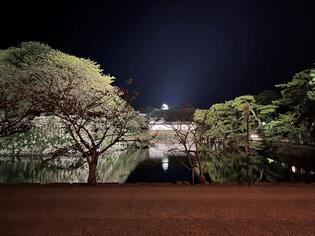




Hikone Castle
The sight of cherry blossoms decorating the castle tower and stone walls is a beauty that truly symbolizes spring in Japan. The view of the mountains from the castle tower is also spectacular.
 Hikone Castle
 Kaizu Osaki
 Lake Biwa
Shiga Prefecture is dotted with abundant nature and historical buildings, with Lake Biwa, famous as the largest freshwater lake in Japan, at its center. It is full of attractive tourist spots, such as Hikone Castle, a national treasure that stands on the shores of Lake Biwa, the three mountains of Koto, famous for their autumn leaves, Enryakuji Temple on Mount Hiei, a registered World Heritage Site, and the Metasequoia Tree-lined Streets, where you can enjoy the scenery of the four seasons.
You can enjoy the magnificent cherry blossoms with a historical atmosphere at Hachimanbori, Enryakuji Temple, and Hikone Castle, and the scenery selected as one of the Eight Views of Lake Biwa at Umezu Osaki. Enjoy the magnificent cherry blossoms that Shiga is proud of.
The sight of cherry blossoms decorating the castle tower and stone walls is a beauty that truly symbolizes spring in Japan. The view of the mountains from the castle tower is also spectacular.

A beautiful waterway in Omihachiman City. You can enjoy the view of rows of cherry blossom trees and beautiful traditional houses only in spring.

This is one of the Eight Views of Lake Biwa. You can enjoy the scenery in every season, but the beauty of the cherry blossoms is particularly special. Enjoy the clear blue lake surface and the magnificent pink scenery.

Enryakuji Temple on Mount Hiei is a place where you can enjoy the magnificent spring scenery of cherry blossoms and green maples. Various events are also held here, entertaining visitors every day.

This art museum is surrounded by mountains and is one of Shiga Prefecture's leading cherry blossom viewing spots. The highlight is the fantastic view of the cherry blossoms from inside the tunnel.
"La Collina Omihachiman" has recently become Shiga's number one tourist spot, and is a very popular spot. "Biwako Valley" has many summer-only activities, and the cafe with a spectacular view at the top of the mountain is also very popular.

A mountain resort located around Lake Biwa. In the summer, zip lines, trekking, hands-on attractions, and a cafe with a spectacular view open.

This uninhabited island on Lake Biwa was chosen as one of the Eight Views of Lake Biwa. The shrines and temples surrounded by greenery are refreshing and never fail to draw worshippers.

The flagship store of Taneya Club Harie. With a fusion of nature and art, and cute cafes dotted across the spacious grounds, it is becoming increasingly popular among the younger generation.

At Kurokabe Square, where black-painted Japanese-style buildings are gathered, the experience classes at the glass workshop are popular. It's a spot that parents and children should definitely visit during the summer holidays.

This botanical garden has a waterside plant theme, and in the summer, you can see the lovely lotus flowers and water lilies in full bloom. Don't miss the local gourmet food made with lotus.
Shiga is dotted with some of the best spots for viewing autumn leaves in Japan. Don't miss the natural beauty of Mt. Gozaisho, where the entire mountain is dyed in autumn colors, as well as shrines, temples, and castles. The autumn foliage season differs depending on the altitude, so you can enjoy viewing the leaves for a long period of time.

Metasequoia trees display their beauty in every season. In early autumn, you can enjoy the golden avenues of the trees, and as autumn deepens, you can admire their deep crimson foliage.

The most popular spot at Hikone Castle, famous for its autumn leaves, is Genkyuen Garden. The autumn leaves reflected on the surface of the pond are breathtakingly beautiful.

This temple is known for the beauty of its autumn leaves, so much so that it is nicknamed "Momiji no Sato." The best time to see them is usually around November, and the nighttime illuminations are also very popular.

At the ruins of Oda Nobunaga's castle, located in the Azuchi Mountain area, you can enjoy the beautiful autumn leaves while taking a mountain hike that evokes the romance of history.

The best way to enjoy the autumn foliage of Mt. Gozaisho, where the mountain slopes gradually take on autumn colors, is from the Gozaisho Ropeway or sightseeing lift.
Shiga boasts many tourist attractions that are beautiful even when covered in snow. The metasequoia tree-lined streets create a fantastical scene that seems like something out of a movie. The harsh winter scenery of Chikubushima is also something you should see at least once.

The sight of 500 metasequoia trees covered in snow is truly mystical, and its beauty has captivated photographers from Japan and abroad.

A museum where you can learn everything about Lake Biwa using all five senses. It's designed so that you won't get bored even if you spend the whole day there, making it the perfect place to visit during the cold season.

At the terminal station of the Shigaraki Kohgen Railway, there are many Shigaraki-yaki tanuki on the premises. The large tanuki in winter-only clothing has become a seasonal feature of winter.

This museum displays information about Nagahama Castle, where Toyotomi Hideyoshi was the lord. From the observation deck, you can get a panoramic view of the magnificent snowy scenery around Lake Biwa.

This power spot floating on Lake Biwa has a wonderful solemn winter atmosphere. You can easily drop by on a cruise ship even in winter.

Moriyama City
Located in Shiga Prefecture, Lake Biwa is the largest freshwater lake in Japan and one of the world's most ancient lakes, with a history spanning 4 million years. Lake Biwa is also known as a treasure trove of living creatures. Over its long history of 4 million years, some of the creatures in Lake Biwa have evolved in their own way, resulting in the birth of more than 60 endemic species found only in Lake Biwa. In total, more than 1,700 species of aquatic plants and animals live in the lake, making it a very valuable lake in terms of biodiversity. Lake sports such as yachting and canoeing are popular in Lake Biwa, and about 700,000 people visit the bathing beaches and marinas every year. Since most of the roads along the lake shore are flat, "Biwaichi", a cycling or walking tour around Lake Biwa, is also popular. You can experience the majestic size of Lake Biwa while enjoying the beautiful scenery.
Learn more
Otsu City
It is the head temple of the Tendaijimon sect, located on the middle slope of Mt. Nagara. Its official name is "Nagarama Onjoji" and it is a historic temple with a history of over 1200 years. Miidera's garden is known for its beautiful pond garden. It is integrated with the guest hall, and the pillars on the southern edge of the guest hall stand on the stone bank, giving it a pond-like architectural feel. The pond is decorated with Kamejima, which has a stone bridge, and floating stones in the style of Yodomari stones, and the mountainside is lined with stonework to create a dry waterfall. Azaleas and Satsuki trees are densely planted in various places, and the mountainside is filled with rich nature, including cedars, cypresses, and pines. The white sand on the east side of the guest hall further enhances the secluded feeling of the garden. Miidera's Yellow Fudo is an important Buddhist statue that is counted as one of the three Fudo in Japan.
Learn more
Otsu City
This is an attractive driving route that blends nature, history, and culture, leading from Otsu, Kyoto through the Tanoya Pass Gate to the mountainside of Mount Hiei. The road is lined with trees, creating a corridor-like landscape where people and nature seem to be one. Along the way, there are various attractions such as Yumemigaoka, where you can enjoy the magnificent view of Lake Biwa and fresh air, the casual resort hotel L'Hotel de Hiei, and the World Heritage site Enryakuji Temple. At Yumemigaoka in particular, you can experience attractions such as the "Cycle Monorail" and "Super Slider" while enjoying the spectacular view of Lake Biwa. There is also a corner where you can enjoy a barbecue while looking out at the lake, and in the summer, the "Kabutomushi House" is open, making it a spot where you can fully enjoy nature.
Learn more
Otsu City
This is the main hall of Kaimonzan Mangetsuji Temple, and is famous for "Katada's Rakugan," one of the Eight Views of Omi. It is said that it was built by Eshin Sozu in the Heian period to pray for safety on Lake Biwa. As the name Ukimido suggests, the main hall is built as if it is floating on Lake Biwa, and its graceful appearance attracts visitors. The Kannon Hall on the temple grounds houses a seated statue of the Bodhisattva Kannon, which is designated as an Important Cultural Property. This Buddha statue is a valuable presence that tells the history and faith of Ukimido. Ukimido is also known as "Katada's Rakugan," one of the Eight Views of Omi. Rakugan refers to the phenomenon in which wild geese are reflected on the water at dusk in autumn, making them look as if they are dancing down on the lake. The view of Lake Biwa from Ukimido will remind you of this magnificent view.
Learn more
Koka City
Located in Minakuchi Town, Koka City, Shiga Prefecture, this is the remains of an Edo period castle that was built by the third Shogun of the Edo shogunate, Tokugawa Iemitsu, as a lodging facility for him when he traveled to Kyoto. It later became the residence of the Minakuchi Domain and is also known by the other name of "Blue Water Castle." In 1991, the Minakuchi Castle Museum was opened as a facility to exhibit materials related to the castle. It is now open to the public as the Minakuchi Castle Museum, where you can see the beautiful white-walled corner tower, restored on top of the stone walls, reflected on the surface of the moat. Materials related to the castle are on display inside the museum, and a reconstructed model shows the scale of the castle when it was first built. The Minakuchi Castle ruins are a valuable relic that conveys the appearance of a castle from the Edo period to the present day. You can see the beautifully restored castle and learn about what it was like back then at the museum.
Learn more
Koka City
Shigaraki is a pottery production area in Koga City, Shiga Prefecture, known as one of the six ancient kilns of Japan. From the Middle Ages to the present, pottery production has continued while evolving in its own way, blessed with abundant high-quality raw materials. In 2017, it was certified as a "Japan Heritage", and its history and traditions are widely recognized. Shigaraki is famous for its raccoon pottery, which can be seen everywhere. This lovable figure represents auspiciousness called "Hasso-engi". Shigaraki also has many beautiful natural landscapes. The "Weeping Cherry Blossoms in the Fields" are particularly famous. The 400-year-old Edohigan cherry tree, which stands on a hill surrounded by tea fields, is also a natural monument designated by Koga City. The best time to see it is in early April every year, and the flowers blooming as if they are sad to see the passing of spring are a spectacular sight.
Learn more
Koka City
This facility uses real buildings where real ninjas lived. It has not been relocated or restored for tourism purposes, but is a valuable historical heritage that remains as it was at the time. After receiving an explanation about Koga-ryu ninjas, history, and the mansion, you can freely tour the three-story building. You can also freely tour the reference room, which displays actual ninja tools and books and scrolls that contain the secrets of ninjutsu, and learn about the history of ninjas. In addition, you can sample the herbal tea (Kenpo-cha) that ninjas drank, and purchase ninja goods and original products. For an additional fee, you can experience throwing iron shuriken like the ninjas of the time. The biggest attraction is that you can freely touch and experience the ingenious mechanisms of the mansion that real ninjas used. This facility can be enjoyed by a wide range of people, from ninja fans to young history buffs and seniors.
Learn more
Omihachiman City
During the Azuchi-Momoyama period, it flourished as a castle town around Toyotomi Hidetsugu's Hachimanyama Castle, and played a major role as one of the town's main arteries. It is said to have been the birthplace and development of Omi merchants, and contributed greatly to the prosperity of the town, making it a bustling area. Today's Hachimanbori is characterized by its elegant scenery of white-walled storehouses and old houses lined up along the waterway. Its atmospheric appearance, as if you have traveled back in time, is also known as a filming location for period dramas. You can spend a relaxing time in a landscape that evokes the bustle of the past. Furthermore, the existence of Hachimanbori, which has been protected by the passion of the local people, teaches us the wonderfulness of the heart that cherishes history and culture.
Learn more
Omihachiman City
This is the remains of Oda Nobunaga's castle, designated as a special national historic site. It is the first castle in Japan to have a full-scale castle tower, and is a famous castle ruin that has left its mark in history. Located in the Azuchiyama area at an altitude of 198m, it was built over a period of about three years from 1576. It is known as the castle that heralded the beginning of the Azuchi-Momoyama period, but after Nobunaga was defeated in the Honnoji Incident, it was burned down, and only the stone walls remain today. It takes about 45 to 90 minutes to walk around the castle ruins. The ruins of Azuchi Castle were built by Oda Nobunaga, a hero of the Warring States period. Its majestic stone walls and the many remains that retain the appearance of the past will make you feel the romance of history. If you are a history lover, we recommend walking around the special historic site while imagining Nobunaga's ambition and glory.
Learn more
Inukami District A
This is the collective name for three Tendai sect temples located in eastern Shiga Prefecture: Saimyoji, Kongorinji, and Baekjeji. These temples have been selected as one of Japan's top 100 places to see autumn leaves, and many tourists visit them, especially during the autumn foliage season. Saimyoji is an ancient temple founded in the early Heian period, and has been selected as one of the "100 Old Temples of Japan" and "Omi Water Treasures." Kongorinji was founded by Gyoki Bodhisattva in the Nara period. The main hall, a national treasure, houses many Buddhist statues that are important cultural properties, including an eleven-faced Kannon statue from the Heian period. Baekjeji is the oldest temple in Omi, founded by Prince Shotoku in 606. It was once a huge temple with a population of 1,300, but was burned down by Nobunaga in 1573. Even today, you can recall its former appearance from the stone wall approach, the remains of the temple, and the thousand-year-old bodhi tree.
Learn moreHigashiomi City
Located in Higashiomi City, Shiga Prefecture, Egenji is the head temple of the Rinzai and Obaku sects. As the head temple of the Egenji sect, it has 127 branch temples across the country and is known as an ancient temple where people practice Zen meditation and pray for the safety of the world. Egenji is home to buildings such as the Zen hall, a training center for Zen, and Ganku-in Temple, which became the family temple of the Ii clan of Hikone Domain. Due to repeated wars, the temple was burned down twice, in 1492 and 1563, and fell into a steady decline. Egenji has overcome many challenges throughout its long history. Its majestic appearance and the space where you can feel the spirit of Zen will cleanse the souls of those who visit. We also recommend spending some special time facing yourself through a Zen meditation experience.
Learn more
Hikone City
It is an attractive castle with an elegant appearance, excellent military design, and rare architecture. The castle tower of Hikone Castle is composed of three stories and three roofs, and is characterized by a beautiful and varied appearance with a variety of "Kirizuma gables", "Irimoya gables", and "Kara gables". This castle tower is said to have been moved from Otsu Castle and was designated a national treasure in 1952. It is lit up at night and is a popular landmark of Hikone City. The horse stables that remain in the castle are said to have been used to tie up 21 horses for the feudal lord and others, and are a rare building that is only found in Hikone Castle in the whole country. The second full-scale cultural property preservation repair was completed in 2015, and the thatched roof has been restored to its former appearance and shows its beautiful appearance.
Learn more
Nagahama City
This castle ruins is located in Nagahama City, Shiga Prefecture, and is known as the castle where Toyotomi Hideyoshi lived as lord during the late Sengoku period. However, it was abandoned in the early Edo period, and the remains were moved to Hikone Castle and Daidouji Temple. Only a few stone walls and a well remained at the site, but in 1983, "Showa Shinjo Castle" was restored, modeled after a castle from the Azuchi-Momoyama period. Nagahama Castle is currently open to the public as a history museum. Special exhibitions and planned exhibitions are held for a limited time in the exhibition room. In addition, the observation deck on the 5th floor offers a panoramic view of the north of the lake. Narration and sound effects are used to give a real sense of the importance of Nagahama during the Sengoku period. Through the restored castle and the museum exhibits, you can learn about the way people lived at that time and the historical significance of Nagahama.
Learn more
Otsu City
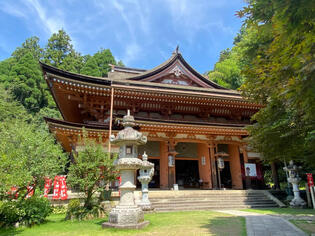
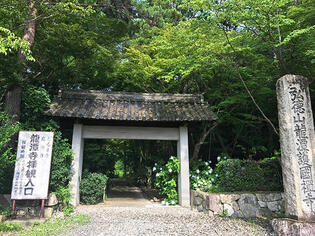
Mount Hiei straddles the border between Kyoto and Shiga prefectures. The entire mountain is the temple grounds, and the three areas of To-to, Sai-to, and Yokokawa, roughly divided into the top and bottom of the mountain, are collectively called "Enryaku-ji Temple on Mount Hiei." It is the head temple of the Tendai sect of Buddhism, and was registered as a World Heritage Site in 1994. It began when Saicho climbed Mount Hiei and built a hermitage there at the end of the Nara period. Along with Kongobu-ji Temple on Mount Koya, which was founded by Kobo Daishi, it reigned supreme in the religious world of Japan for about 1,200 years. Many outstanding monks, including Honen and Shinran, who later supported Japanese Buddhism, came from Mount Hiei. The grounds of Enryaku-ji Temple, thickly covered with cedar trees, exude a dignified atmosphere as a training center for the Tendai sect. The various halls were burned down by Oda Nobunaga during the Sengoku period, but were restored by Toyotomi Hideyoshi, Tokugawa Ieyasu and others, and have been designated as national treasures and important cultural properties.
Learn more
Takashima City
Shirahige Shrine has a large vermilion torii gate in Lake Biwa, and the main shrine is located across National Route 161. Widely known as Shirahige-san or Myojin-san, it is the oldest shrine in Omi, also known as Omi's Itsukushima. As the name suggests, it is known as the god of longevity and long life, and is also the "god of guidance" for all human activities and pursuits, including matchmaking, fertility, good fortune, academic success, road safety, and safe voyages. It has a history of over 2,000 years since its founding, and the current shrine was built by Hideyori, with Katagiri Katsumoto as magistrate, in accordance with Toyotomi Hideyoshi's last command. The main hall has a clear square plan, and when the worship hall was rebuilt in the Meiji era, it was connected to the main hall, resulting in the complex roof structure we see today.
Learn more
Maibara City
It is the highest peak in Shiga Prefecture (approximately 1,377m above sea level) and is one of the 100 famous mountains in Japan. Located on the border with Gifu Prefecture, from the summit you can see Lake Biwa, the Hira mountain range, Mt. Hiei, the Japanese Alps, and Ise Bay. It is a historic mountain that appears in the Kojiki and Nihon Shoki, as well as the legend of Emperor Yamato Takeru. It is also known as a treasure trove of medicinal herbs, subalpine plants, wild birds, and insects, and the flower fields on the summit are designated as a national natural monument. It takes about 3 hours and 30 minutes (one way) to climb from the base to the summit. The hiking trail is said to be relatively easy to walk on, but there are some exposed rocks and rocky areas, so appropriate equipment is required. The temperature at the summit is 8 to 10 degrees lower than at the base, so you should be careful about what you wear.
Learn more
Nagahama City
This medieval mountain castle was located on Mount Otani (495.1m above sea level) in Nagahama City, Shiga Prefecture, and was the residence of the Asai clan for three generations. It is said to have been built around 1525 and is counted as one of the three major mountain castles of the medieval period. From the castle ruins, you can see Lake Biwa and the land north of the lake, which speaks to its strategic importance at the time. The current Odani Castle ruins are a vast structure that covers the entire Mount Otani, and you can recall what it was like at the time. The structure and scale of the castle can be seen from the various enclosures arranged along the east-west ridges, which skillfully utilize the natural topography, and the foundation stones of buildings excavated from the remains of the main citadel and large hall. Earthworks remain in the Ogoku at the top. The Odani Castle ruins were designated a national historic site in 1937. Visiting the castle ruins will allow you to reflect on the rise and fall of the Asai clan and their turbulent lives.
Learn moreNagahama City
It is an island of faith with a mystical atmosphere floating in the northern part of Lake Biwa, and is also attracting attention as a power spot. The island is home to Hogon-ji Temple, which houses "Dai-benzaiten," one of the three major Benzaiten deities in Japan, and Tsukubusuma Shrine. Hogon-ji Temple has many attractions, including the national treasure "Karamon," which was restored in May 2020, the "Kannon Hall," an important cultural property, and the "Three-story pagoda," which was restored in 2000 for the first time in 350 years. Karamon is also said to be the only remaining remnant of Osaka Castle's Gokuraku Bridge. Access to Chikubushima Island is by cruise, so it is subject to weather. We recommend checking the weather forecast in advance. There are also flush toilets on the island, so you can visit with peace of mind.
Learn more
Takashima City
This scenic spot is located in the southeast of Makino Town, Takashima City, Shiga Prefecture, at the northern end of Lake Biwa. It is known for its impressive reefs jutting out into the lake and the striking blue water. In 1950, it was designated as Lake Biwa Quasi-National Park, and was also selected as one of the Eight Views of Lake Biwa under the name "Dawn Fog - Reefs of Kaizu Osaki" as the most scenic spot on Lake Biwa. You can also see another view of the Eight Views of Lake Biwa, "Fresh Greenery - The Shadow of Chikubushima Island," from here. In spring, about 800 Somei-yoshino cherry trees, over 80 years old, create a beautiful flower tunnel along the lakeshore around Kaizu Osaki for about 4 km. At the tip of the cape stands Osaki-ji Temple, which belongs to the Chizan school of Shingon Buddhism. The magnificent view of the cliffs and lake, combined with the ancient temple's appearance, is a magnificent sight.
Learn more
Otsu City
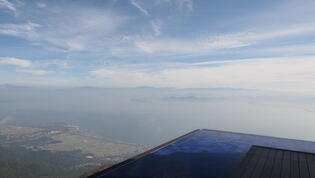
Located at an altitude of 1,100m, Biwako Terrace is a popular tourist spot in Otsu City, Shiga Prefecture, and is known for its spectacular views. Take the ropeway from the base station to the summit station of Uchimiyama, where you will find a vast terrace space. At the Grand Terrace, you can enjoy different views of Lake Biwa from the three-tiered wooden deck. There is also the North Terrace, which overlooks the northern lake, and the refreshing water basin and the spacious wooden deck create a comfortable space. The terrace is equipped with sofas and chairs, so you can relax and enjoy the magnificent view of Lake Biwa. The attraction is that you can spend special time at your own pace, whether you enjoy a stroll or a meal at the Terrace Café.
Learn more
Otsu City
This paddle steamer operates by Lake Biwa Kisen and travels around the southern lake. In the cheerful atmosphere on board, you can enjoy fun music, events, and a variety of meals from light meals to buffet dishes. From the Sky Deck on the 4th floor, the top floor of the Michigan, you can enjoy the magnificent view of Lake Biwa to your heart's content. On board, tourist information and live music liven up the atmosphere. There are many wonderful photo spots on the Michigan. We recommend finding your favorite spot and taking photos of your memories of the ride. The Michigan has also been selected as a "Sacred Place for Lovers" since 2014. One fun activity is to go with your partner to the photo spot "Lovers Michigan" on the bow of the first floor, or to search for the three hearts hidden on the deck of the ship.
Learn more
Takashima City
This 630m mountain in Takashima City, Shiga Prefecture, is a popular tourist spot where you can take a gondola to the top. It is a place where you can fully experience the beauty of nature, such as the clear Lake Biwa and sky, the wind blowing through, and the fragrant plants. Once you reach the top, you will find a spacious space filled with a sense of openness. In the green season, you can enjoy seasonal flowers, a parfait specialty shop lit by lamps, and a wind chime path. In the winter season, the silvery white slopes spread out, allowing you to enjoy winter sports to the fullest. The No. 2 Romance Pair Lift, which can be used to go round trip to the observation deck at the top of the mountain, allows even those with disabilities to enjoy the view of the petunia flower fields and Oku-Biwa Lake with peace of mind. You can also ride with your dog, so it is recommended for those with pets.
Learn more
Omihachiman City
With a circumference of 6.8 km and an area of 1.53 km², Okishima Island is home to a population of approximately 250 people. It is rare worldwide for people to live on an island in a lake, and the island has attracted academic attention. The only means of transportation to the island is by boat, with regular school and work services available. The beautiful views of Mt. Chomyoji, the Suzuka mountain range, and the Hira mountain range are unique to an island floating on Lake Biwa. On Okishima Island, the wisdom of traditional life and the abundant nature are still carefully preserved. We recommend spending some relaxing time enjoying the unique scenery of an island floating on Lake Biwa and the wisdom of traditional life. You will have a special experience that is different from your everyday life.
Learn more
Kusatsu City
This is a comprehensive museum where you can learn about the nature and culture of Lake Biwa, Japan's largest lake, and the lives of the people there. Lake Biwa is an ancient lake with a history of about 4 million years, and is home to more than 2,000 species of creatures, many of which are endemic. People have lived on the shores of the lake since ancient times, and have continued their traditional lifestyles that make use of the abundant nature. Lake Biwa Museum is located on the Karasuma Peninsula, which juts out into the lake, and is a place where you can experience all kinds of knowledge about the lake while enjoying the scenery of Lake Biwa that spreads out before you. In addition to exhibits on the origins of Lake Biwa, the history of the people, and nature and life, the museum also exhibits live aquatic creatures. The museum features a variety of exhibits that allow you to experience the charm of Lake Biwa through your five senses, not just by looking, but also by touching and smelling.
Learn more
Hikone City
This tourist spot has been recreated with the theme of "OLD NEW TOWN" on Honmachi Street, which was once an important road in Hikone Castle Town. As time passed, the layout of Honmachi Street and the streetscape with its white walls and lattice windows only slightly retained the Edo period look. As a result, redevelopment was undertaken to replace the buildings lining Honmachi Street with new buildings with an Edo period feel that made the most of the charm of the merchant residences. On today's Yumekyobashi Castle Road, coffee shops, boutiques, and ordinary houses have all been recreated to resemble the streets of the Edo period, allowing you to enjoy an atmosphere that makes you feel as if you have traveled back in time. This Honmachi Street is affectionately known as "Yumekyobashi" and has become a new tourist attraction in Hikone.
Learn more
Hikone City
This is a feudal lord's garden built in the Edo period as the garden of the Hikone Domain. Located northeast of Hikone Castle, it is known as a beautiful garden with a large pond and a stroll-style garden. There is a large pond in the garden, and the Rinchikaku, which stands as if jutting out into the pond, is impressive. Around the pond, landscapes that imitate the Eight Views of Omi, selected based on the Eight Views of Xiaoxiang of Dongting Lake in Hunan Province, Chikubu Island, and Oki no Shiraishi, are skillfully arranged, creating a space full of charm. In early summer, lotus and iris flowers bloom in abundance on the pond, and their fragrance fills the garden. Genkyuen, which shows different faces in each season, is one of Hikone's most famous tourist spots. Genkyuen, along with Rakurakuen, another garden of the Hikone Domain, are designated as national scenic spots. It can be said to be a valuable cultural heritage that conveys the beauty of feudal lord gardens of the Edo period to the present day.
Learn more
Hikone City
Located in the center of Hikone City, Yonbancho Square is a shopping street with its roots in a market in the Taisho period. Formerly known as "Hikone's Kitchen," it was one of the busiest areas in the prefecture, but over time it lost its vitality. So, volunteers from the shopping street took the lead and, with the cooperation of Hikone City and the Hikone Chamber of Commerce and Industry, implemented the "Town Center Redevelopment Land Readjustment Project." The shopping street, modeled after the streets of the Taisho period, was completed in 2005. The newly reborn Yonbancho Square has the catchphrase "A town filled with Taisho romanticism," and features buildings with a unified modern exterior, gas lamps in the square, and monuments placed throughout. You can enjoy a unique atmosphere where newness and nostalgia coexist.
Learn more
Takashima City
The fantastic metasequoia avenue leading to Makino Pickland Agricultural Park captivates visitors with its seasonal scenery. This 2.4km road is woven with about 500 metasequoia trees to form a green tunnel, showing different faces throughout the year, from the refreshing yellow-green of spring to the deep green of summer, the distinctive brick red and brown of autumn leaves, and bare trees covered in snow in winter. This avenue, selected as one of the "New 100 Views of Japanese Road Trees," harmonizes beautifully with the distant Nosaka Mountains, providing visitors with a special experience. The metasequoia avenue is a precious spot where you can experience the changing seasons, created by the beauty and harmony of nature.
Learn moreImahamacho 1-chome, Moriyama City, Shiga Prefecture
10 minutes walk from JR Otsu Station
None
None
Free
Located in Shiga Prefecture, Lake Biwa is the largest freshwater lake in Japan and one of the world's most ancient lakes, with a history spanning 4 million years. Lake Biwa is also known as a treasure trove of living creatures. Over its long history of 4 million years, some of the creatures in Lake Biwa have evolved in their own way, resulting in the birth of more than 60 endemic species found only in Lake Biwa. In total, more than 1,700 species of aquatic plants and animals live in the lake, making it a very valuable lake in terms of biodiversity. Lake sports such as yachting and canoeing are popular in Lake Biwa, and about 700,000 people visit the bathing beaches and marinas every year. Since most of the roads along the lake shore are flat, "Biwaichi", a cycling or walking tour around Lake Biwa, is also popular. You can experience the majestic size of Lake Biwa while enjoying the beautiful scenery.
Theme
Close

246 Onjojicho, Otsu City, Shiga Prefecture
7 minutes walk from "Mii-dera Station"
[Visiting Hours] 9:00 - 16:30 (last admission 16:00)
*Cultural property storage facility is open from 9:30 to 16:30 (last admission at 16:00)
Open all year round
Adults: 800 yen, middle and high school students: 500 yen, elementary school students: 300 yen
It is the head temple of the Tendaijimon sect, located on the middle slope of Mt. Nagara. Its official name is "Nagarama Onjoji" and it is a historic temple with a history of over 1200 years. Miidera's garden is known for its beautiful pond garden. It is integrated with the guest hall, and the pillars on the southern edge of the guest hall stand on the stone bank, giving it a pond-like architectural feel. The pond is decorated with Kamejima, which has a stone bridge, and floating stones in the style of Yodomari stones, and the mountainside is lined with stonework to create a dry waterfall. Azaleas and Satsuki trees are densely planted in various places, and the mountainside is filled with rich nature, including cedars, cypresses, and pines. The white sand on the east side of the guest hall further enhances the secluded feeling of the garden. Miidera's Yellow Fudo is an important Buddhist statue that is counted as one of the three Fudo in Japan.
Theme
Near this spot, there are other spots like this
Enryakuji Temple, Mount Hiei
Close

776-30 Yamagamicho, Otsu City, Shiga Prefecture
<Keihan Bus> Karasumaguchi C6 bus stop [57] bound for Mt. Hiei summit
March to June and September to November: 7:00 to 23:00, July and August: 7:00 to 24:00, December to January 15: 9:00 to 22:00, January 16 to February: 9:00 to 20:00
Small and regular cars 1,700 yen (Enryakuji Temple (East Pagoda) or the top of Mt. Hiei to Tanoya Toge Tollgate (round trip))
This is an attractive driving route that blends nature, history, and culture, leading from Otsu, Kyoto through the Tanoya Pass Gate to the mountainside of Mount Hiei. The road is lined with trees, creating a corridor-like landscape where people and nature seem to be one. Along the way, there are various attractions such as Yumemigaoka, where you can enjoy the magnificent view of Lake Biwa and fresh air, the casual resort hotel L'Hotel de Hiei, and the World Heritage site Enryakuji Temple. At Yumemigaoka in particular, you can experience attractions such as the "Cycle Monorail" and "Super Slider" while enjoying the spectacular view of Lake Biwa. There is also a corner where you can enjoy a barbecue while looking out at the lake, and in the summer, the "Kabutomushi House" is open, making it a spot where you can fully enjoy nature.
Theme
Near this spot, there are other spots like this
Enryakuji Temple, Mount Hiei
Onjoji Temple (Mii-dera Temple)
Close
1-16-18 Honkatada, Otsu City, Shiga Prefecture
Take the bus from JR Katata Station, get off at Demachi stop, then walk for 7 minutes
8:00~17:00
300 yen
This is the main hall of Kaimonzan Mangetsuji Temple, and is famous for "Katada's Rakugan," one of the Eight Views of Omi. It is said that it was built by Eshin Sozu in the Heian period to pray for safety on Lake Biwa. As the name Ukimido suggests, the main hall is built as if it is floating on Lake Biwa, and its graceful appearance attracts visitors. The Kannon Hall on the temple grounds houses a seated statue of the Bodhisattva Kannon, which is designated as an Important Cultural Property. This Buddha statue is a valuable presence that tells the history and faith of Ukimido. Ukimido is also known as "Katada's Rakugan," one of the Eight Views of Omi. Rakugan refers to the phenomenon in which wild geese are reflected on the water at dusk in autumn, making them look as if they are dancing down on the lake. The view of Lake Biwa from Ukimido will remind you of this magnificent view.
Theme
Close
Honmaru, Mizuguchi-cho, Koka City, Shiga Prefecture
Get off at "Minakuchi Jonan" and walk for 5 minutes
10:00-17:00 (Museum)
Thursday, Friday, New Year's holiday
200 yen
Located in Minakuchi Town, Koka City, Shiga Prefecture, this is the remains of an Edo period castle that was built by the third Shogun of the Edo shogunate, Tokugawa Iemitsu, as a lodging facility for him when he traveled to Kyoto. It later became the residence of the Minakuchi Domain and is also known by the other name of "Blue Water Castle." In 1991, the Minakuchi Castle Museum was opened as a facility to exhibit materials related to the castle. It is now open to the public as the Minakuchi Castle Museum, where you can see the beautiful white-walled corner tower, restored on top of the stone walls, reflected on the surface of the moat. Materials related to the castle are on display inside the museum, and a reconstructed model shows the scale of the castle when it was first built. The Minakuchi Castle ruins are a valuable relic that conveys the appearance of a castle from the Edo period to the present day. You can see the beautifully restored castle and learn about what it was like back then at the museum.
Theme
Near this spot, there are other spots like this
Koga Ninja House
Close

Shigaraki Town, Koka City, Shiga Prefecture
24 minutes walk from Shigaraki Station
None
None
Free
Shigaraki is a pottery production area in Koga City, Shiga Prefecture, known as one of the six ancient kilns of Japan. From the Middle Ages to the present, pottery production has continued while evolving in its own way, blessed with abundant high-quality raw materials. In 2017, it was certified as a "Japan Heritage", and its history and traditions are widely recognized. Shigaraki is famous for its raccoon pottery, which can be seen everywhere. This lovable figure represents auspiciousness called "Hasso-engi". Shigaraki also has many beautiful natural landscapes. The "Weeping Cherry Blossoms in the Fields" are particularly famous. The 400-year-old Edohigan cherry tree, which stands on a hill surrounded by tea fields, is also a natural monument designated by Koga City. The best time to see it is in early April every year, and the flowers blooming as if they are sad to see the passing of spring are a spectacular sight.
Close
2331 Ryuhoshi, Konan-cho, Koka City, Shiga Prefecture
20 minutes walk from Konan Station
(Weekdays) 10:00-17:00 (Last entry at 16:30) (Saturdays, Sundays, and holidays) 9:30-17:00 (Last entry at 16:30)
Closed every Wednesday and the fourth Thursday of each month, as well as during the New Year holidays (December 27th to January 3rd) and winter
Adults 650 yen, Children 450 yen
This facility uses real buildings where real ninjas lived. It has not been relocated or restored for tourism purposes, but is a valuable historical heritage that remains as it was at the time. After receiving an explanation about Koga-ryu ninjas, history, and the mansion, you can freely tour the three-story building. You can also freely tour the reference room, which displays actual ninja tools and books and scrolls that contain the secrets of ninjutsu, and learn about the history of ninjas. In addition, you can sample the herbal tea (Kenpo-cha) that ninjas drank, and purchase ninja goods and original products. For an additional fee, you can experience throwing iron shuriken like the ninjas of the time. The biggest attraction is that you can freely touch and experience the ingenious mechanisms of the mansion that real ninjas used. This facility can be enjoyed by a wide range of people, from ninja fans to young history buffs and seniors.
Theme
Near this spot, there are other spots like this
Minakuchi Castle Ruins
Close

Miyauchicho area, Omihachiman city, Shiga prefecture
Get off at "Omihachiman" bus stop and take a 7-minute bus to Osugicho
None
None
Free
During the Azuchi-Momoyama period, it flourished as a castle town around Toyotomi Hidetsugu's Hachimanyama Castle, and played a major role as one of the town's main arteries. It is said to have been the birthplace and development of Omi merchants, and contributed greatly to the prosperity of the town, making it a bustling area. Today's Hachimanbori is characterized by its elegant scenery of white-walled storehouses and old houses lined up along the waterway. Its atmospheric appearance, as if you have traveled back in time, is also known as a filming location for period dramas. You can spend a relaxing time in a landscape that evokes the bustle of the past. Furthermore, the existence of Hachimanbori, which has been protected by the passion of the local people, teaches us the wonderfulness of the heart that cherishes history and culture.
Theme
Near this spot, there are other spots like this
Azuchi Castle Ruins
Okishima
Close
Shimo Toyoura, Azuchi-cho, Omihachiman City, Shiga Prefecture
20 minutes walk from Azuchi Station
8:30~17:00
Open all year round
Adults 700 yen, Children 200 yen
This is the remains of Oda Nobunaga's castle, designated as a special national historic site. It is the first castle in Japan to have a full-scale castle tower, and is a famous castle ruin that has left its mark in history. Located in the Azuchiyama area at an altitude of 198m, it was built over a period of about three years from 1576. It is known as the castle that heralded the beginning of the Azuchi-Momoyama period, but after Nobunaga was defeated in the Honnoji Incident, it was burned down, and only the stone walls remain today. It takes about 45 to 90 minutes to walk around the castle ruins. The ruins of Azuchi Castle were built by Oda Nobunaga, a hero of the Warring States period. Its majestic stone walls and the many remains that retain the appearance of the past will make you feel the romance of history. If you are a history lover, we recommend walking around the special historic site while imagining Nobunaga's ambition and glory.
Theme
Near this spot, there are other spots like this
Hachimanbori
Okishima
Close

26 Ikedera, Kora-cho, Inukami-gun, Shiga Prefecture (Saimyoji Temple), 874 Matsuo-dera, Aisho-cho, Aichi-gun, Shiga Prefecture (Kongorin-ji Temple), 323 Hyakusaiji-cho, Higashi-Omi City, Shiga Prefecture (Hyakusaiji Temple)
20 minutes by car from JR Biwako Line “Inae”
8:30~17:00
Adults 600 yen, Junior high school students 300 yen, Elementary school students 200 yen
This is the collective name for three Tendai sect temples located in eastern Shiga Prefecture: Saimyoji, Kongorinji, and Baekjeji. These temples have been selected as one of Japan's top 100 places to see autumn leaves, and many tourists visit them, especially during the autumn foliage season. Saimyoji is an ancient temple founded in the early Heian period, and has been selected as one of the "100 Old Temples of Japan" and "Omi Water Treasures." Kongorinji was founded by Gyoki Bodhisattva in the Nara period. The main hall, a national treasure, houses many Buddhist statues that are important cultural properties, including an eleven-faced Kannon statue from the Heian period. Baekjeji is the oldest temple in Omi, founded by Prince Shotoku in 606. It was once a huge temple with a population of 1,300, but was burned down by Nobunaga in 1573. Even today, you can recall its former appearance from the stone wall approach, the remains of the temple, and the thousand-year-old bodhi tree.
Theme
Near this spot, there are other spots like this
Eigenji Temple
Hikone Castle
Close
41 Takanocho, Eigenji, Higashiomi City, Shiga Prefecture
20 minutes by car from Meishin Expressway "Yokaichi I.C."
9:00-16:00 (varies depending on the season)
Adults: 600 yen
Junior high school students and those presenting a disability certificate: 200 yen
Elementary school students and younger: Free
Located in Higashiomi City, Shiga Prefecture, Egenji is the head temple of the Rinzai and Obaku sects. As the head temple of the Egenji sect, it has 127 branch temples across the country and is known as an ancient temple where people practice Zen meditation and pray for the safety of the world. Egenji is home to buildings such as the Zen hall, a training center for Zen, and Ganku-in Temple, which became the family temple of the Ii clan of Hikone Domain. Due to repeated wars, the temple was burned down twice, in 1492 and 1563, and fell into a steady decline. Egenji has overcome many challenges throughout its long history. Its majestic appearance and the space where you can feel the spirit of Zen will cleanse the souls of those who visit. We also recommend spending some special time facing yourself through a Zen meditation experience.
Theme
Near this spot, there are other spots like this
Kotosanzan
Hikone Castle
Close


1-1 Kanagicho, Hikone City, Shiga Prefecture
Approximately 15 minutes walk from JR Hikone Station
8:30〜17:00
Kaikoku Kinenkan is open from December 25th to December 31st.
Adults: 1,000 yen, elementary and junior high school students: 300 yen
It is an attractive castle with an elegant appearance, excellent military design, and rare architecture. The castle tower of Hikone Castle is composed of three stories and three roofs, and is characterized by a beautiful and varied appearance with a variety of "Kirizuma gables", "Irimoya gables", and "Kara gables". This castle tower is said to have been moved from Otsu Castle and was designated a national treasure in 1952. It is lit up at night and is a popular landmark of Hikone City. The horse stables that remain in the castle are said to have been used to tie up 21 horses for the feudal lord and others, and are a rare building that is only found in Hikone Castle in the whole country. The second full-scale cultural property preservation repair was completed in 2015, and the thatched roof has been restored to its former appearance and shows its beautiful appearance.
Theme
Near this spot, there are other spots like this
Yumekyobashi Castle Road
Genkyuen Garden
Close


10-10 Koencho, Nagahama City, Shiga Prefecture
Approximately 10 minutes walk from JR Nagahama Station
9:00-17:00 (entry until 16:30)
Mondays (or the following weekday if Monday is a public holiday), New Year's holiday (December 27th to January 2nd), and other temporary closures
Adults (high school students and above): 500 yen, elementary and junior high school students: 200 yen
This castle ruins is located in Nagahama City, Shiga Prefecture, and is known as the castle where Toyotomi Hideyoshi lived as lord during the late Sengoku period. However, it was abandoned in the early Edo period, and the remains were moved to Hikone Castle and Daidouji Temple. Only a few stone walls and a well remained at the site, but in 1983, "Showa Shinjo Castle" was restored, modeled after a castle from the Azuchi-Momoyama period. Nagahama Castle is currently open to the public as a history museum. Special exhibitions and planned exhibitions are held for a limited time in the exhibition room. In addition, the observation deck on the 5th floor offers a panoramic view of the north of the lake. Narration and sound effects are used to give a real sense of the importance of Nagahama during the Sengoku period. Through the restored castle and the museum exhibits, you can learn about the way people lived at that time and the historical significance of Nagahama.
Theme
Near this spot, there are other spots like this
Odani Castle Ruins
Close
4220 Sakamoto Honmachi, Otsu City, Shiga Prefecture
Mount Hiei straddles the border between Kyoto and Shiga prefectures. The entire mountain is the temple grounds, and the three areas of To-to, Sai-to, and Yokokawa, roughly divided into the top and bottom of the mountain, are collectively called "Enryaku-ji Temple on Mount Hiei." It is the head temple of the Tendai sect of Buddhism, and was registered as a World Heritage Site in 1994. It began when Saicho climbed Mount Hiei and built a hermitage there at the end of the Nara period. Along with Kongobu-ji Temple on Mount Koya, which was founded by Kobo Daishi, it reigned supreme in the religious world of Japan for about 1,200 years. Many outstanding monks, including Honen and Shinran, who later supported Japanese Buddhism, came from Mount Hiei. The grounds of Enryaku-ji Temple, thickly covered with cedar trees, exude a dignified atmosphere as a training center for the Tendai sect. The various halls were burned down by Oda Nobunaga during the Sengoku period, but were restored by Toyotomi Hideyoshi, Tokugawa Ieyasu and others, and have been designated as national treasures and important cultural properties.
Theme
Close
215 Ukawa, Takashima City, Shiga Prefecture
Shirahige Shrine has a large vermilion torii gate in Lake Biwa, and the main shrine is located across National Route 161. Widely known as Shirahige-san or Myojin-san, it is the oldest shrine in Omi, also known as Omi's Itsukushima. As the name suggests, it is known as the god of longevity and long life, and is also the "god of guidance" for all human activities and pursuits, including matchmaking, fertility, good fortune, academic success, road safety, and safe voyages. It has a history of over 2,000 years since its founding, and the current shrine was built by Hideyori, with Katagiri Katsumoto as magistrate, in accordance with Toyotomi Hideyoshi's last command. The main hall has a clear square plan, and when the worship hall was rebuilt in the Meiji era, it was connected to the main hall, resulting in the complex roof structure we see today.
Theme
Close

Ueno, Maibara City, Shiga Prefecture
20 minutes from Sekigahara IC or Nagahama IC
None
None
Free
It is the highest peak in Shiga Prefecture (approximately 1,377m above sea level) and is one of the 100 famous mountains in Japan. Located on the border with Gifu Prefecture, from the summit you can see Lake Biwa, the Hira mountain range, Mt. Hiei, the Japanese Alps, and Ise Bay. It is a historic mountain that appears in the Kojiki and Nihon Shoki, as well as the legend of Emperor Yamato Takeru. It is also known as a treasure trove of medicinal herbs, subalpine plants, wild birds, and insects, and the flower fields on the summit are designated as a national natural monument. It takes about 3 hours and 30 minutes (one way) to climb from the base to the summit. The hiking trail is said to be relatively easy to walk on, but there are some exposed rocks and rocky areas, so appropriate equipment is required. The temperature at the summit is 8 to 10 degrees lower than at the base, so you should be careful about what you wear.
Theme
Close
Ibe, Kohoku-cho, Nagahama City, Shiga Prefecture
40 minutes on foot from JR Hokuriku Main Line "Kawage"
None
None
Free
This medieval mountain castle was located on Mount Otani (495.1m above sea level) in Nagahama City, Shiga Prefecture, and was the residence of the Asai clan for three generations. It is said to have been built around 1525 and is counted as one of the three major mountain castles of the medieval period. From the castle ruins, you can see Lake Biwa and the land north of the lake, which speaks to its strategic importance at the time. The current Odani Castle ruins are a vast structure that covers the entire Mount Otani, and you can recall what it was like at the time. The structure and scale of the castle can be seen from the various enclosures arranged along the east-west ridges, which skillfully utilize the natural topography, and the foundation stones of buildings excavated from the remains of the main citadel and large hall. Earthworks remain in the Ogoku at the top. The Odani Castle ruins were designated a national historic site in 1937. Visiting the castle ruins will allow you to reflect on the rise and fall of the Asai clan and their turbulent lives.
Theme
Near this spot, there are other spots like this
Nagahama Castle
Close
Hayasakicho, Nagahama City, Shiga Prefecture
The island is only accessible by regular ferry
9:00-17:35 (may change depending on the season)
Adults: 3,200 yen, elementary school students: 1,600 yen (Chikubushima Cruise Nagahama route)
It is an island of faith with a mystical atmosphere floating in the northern part of Lake Biwa, and is also attracting attention as a power spot. The island is home to Hogon-ji Temple, which houses "Dai-benzaiten," one of the three major Benzaiten deities in Japan, and Tsukubusuma Shrine. Hogon-ji Temple has many attractions, including the national treasure "Karamon," which was restored in May 2020, the "Kannon Hall," an important cultural property, and the "Three-story pagoda," which was restored in 2000 for the first time in 350 years. Karamon is also said to be the only remaining remnant of Osaka Castle's Gokuraku Bridge. Access to Chikubushima Island is by cruise, so it is subject to weather. We recommend checking the weather forecast in advance. There are also flush toilets on the island, so you can visit with peace of mind.
Theme
Close
Kaizu, Makino Town, Takashima City, Shiga Prefecture
5 minutes by car from "Makino" on the JR Kosei Line
None
None
Free
This scenic spot is located in the southeast of Makino Town, Takashima City, Shiga Prefecture, at the northern end of Lake Biwa. It is known for its impressive reefs jutting out into the lake and the striking blue water. In 1950, it was designated as Lake Biwa Quasi-National Park, and was also selected as one of the Eight Views of Lake Biwa under the name "Dawn Fog - Reefs of Kaizu Osaki" as the most scenic spot on Lake Biwa. You can also see another view of the Eight Views of Lake Biwa, "Fresh Greenery - The Shadow of Chikubushima Island," from here. In spring, about 800 Somei-yoshino cherry trees, over 80 years old, create a beautiful flower tunnel along the lakeshore around Kaizu Osaki for about 4 km. At the tip of the cape stands Osaki-ji Temple, which belongs to the Chizan school of Shingon Buddhism. The magnificent view of the cliffs and lake, combined with the ancient temple's appearance, is a magnificent sight.
Theme
Near this spot, there are other spots like this
Metasequoia Tree Line
Lake Biwa Hakodateyama
Close


1547-1 Kido, Otsu City, Shiga Prefecture
9:00-17:00 (varies depending on the season)
Regular holiday period: March 18th, 2024 (Monday) to April 5th (Friday), July 1st (Monday) to July 5th (Friday), September 2nd (Monday) to September 6th (Friday), November 5th (Tuesday) to late December
Adults 3,500 yen, children 1,500 yen, infants 1,000 yen (round trip ropeway ticket)
Located at an altitude of 1,100m, Biwako Terrace is a popular tourist spot in Otsu City, Shiga Prefecture, and is known for its spectacular views. Take the ropeway from the base station to the summit station of Uchimiyama, where you will find a vast terrace space. At the Grand Terrace, you can enjoy different views of Lake Biwa from the three-tiered wooden deck. There is also the North Terrace, which overlooks the northern lake, and the refreshing water basin and the spacious wooden deck create a comfortable space. The terrace is equipped with sofas and chairs, so you can relax and enjoy the magnificent view of Lake Biwa. The attraction is that you can spend special time at your own pace, whether you enjoy a stroll or a meal at the Terrace Café.
Theme
Near this spot, there are other spots like this
Enryakuji Temple, Mount Hiei
Close

5-1-1 Hamaotsu, Otsu City, Shiga Prefecture
3 minutes walk from "Biwako Hamaotsu Station"
11:00-14:30 (Michigan 80)
Adults 3,000 yen, elementary school students 1,500 yen (Michigan 90)
This paddle steamer operates by Lake Biwa Kisen and travels around the southern lake. In the cheerful atmosphere on board, you can enjoy fun music, events, and a variety of meals from light meals to buffet dishes. From the Sky Deck on the 4th floor, the top floor of the Michigan, you can enjoy the magnificent view of Lake Biwa to your heart's content. On board, tourist information and live music liven up the atmosphere. There are many wonderful photo spots on the Michigan. We recommend finding your favorite spot and taking photos of your memories of the ride. The Michigan has also been selected as a "Sacred Place for Lovers" since 2014. One fun activity is to go with your partner to the photo spot "Lovers Michigan" on the bow of the first floor, or to search for the three hearts hidden on the deck of the ship.
Theme
Close


Shiga Prefecture, Takashima City, Imazu Town, Hioki
Approximately 70 minutes by car from Meishin Expressway "Kyoto Higashi IC" (via National Route 161)
9:00-17:00 (9:00-20:00 on night gondola days)
~April 27th (Thursday) November 13th (Monday) ~Late December
Adults: 2,500 yen, Children: 1,200 yen
This 630m mountain in Takashima City, Shiga Prefecture, is a popular tourist spot where you can take a gondola to the top. It is a place where you can fully experience the beauty of nature, such as the clear Lake Biwa and sky, the wind blowing through, and the fragrant plants. Once you reach the top, you will find a spacious space filled with a sense of openness. In the green season, you can enjoy seasonal flowers, a parfait specialty shop lit by lamps, and a wind chime path. In the winter season, the silvery white slopes spread out, allowing you to enjoy winter sports to the fullest. The No. 2 Romance Pair Lift, which can be used to go round trip to the observation deck at the top of the mountain, allows even those with disabilities to enjoy the view of the petunia flower fields and Oku-Biwa Lake with peace of mind. You can also ride with your dog, so it is recommended for those with pets.
Theme
Near this spot, there are other spots like this
Metasequoia Tree Line
Dawn Mist - The Reefs of Kaizu Osaki
Close

Okishimacho, Omihachiman City, Shiga Prefecture
45 minutes by bus from JR Biwako Line "Omihachiman"
None
None
Ferry to Okishima: 500 yen one way
With a circumference of 6.8 km and an area of 1.53 km², Okishima Island is home to a population of approximately 250 people. It is rare worldwide for people to live on an island in a lake, and the island has attracted academic attention. The only means of transportation to the island is by boat, with regular school and work services available. The beautiful views of Mt. Chomyoji, the Suzuka mountain range, and the Hira mountain range are unique to an island floating on Lake Biwa. On Okishima Island, the wisdom of traditional life and the abundant nature are still carefully preserved. We recommend spending some relaxing time enjoying the unique scenery of an island floating on Lake Biwa and the wisdom of traditional life. You will have a special experience that is different from your everyday life.
Near this spot, there are other spots like this
Azuchi Castle Ruins
Hachimanbori
Close


1091 Shimomonocho, Kusatsu City, Shiga Prefecture
About 30 minutes by car from Meishin "Ritto IC"
9:30~17:00
Every Monday (open on public holidays), and other temporary closures
Adults: 800 yen, high school and university students: 450 yen
This is a comprehensive museum where you can learn about the nature and culture of Lake Biwa, Japan's largest lake, and the lives of the people there. Lake Biwa is an ancient lake with a history of about 4 million years, and is home to more than 2,000 species of creatures, many of which are endemic. People have lived on the shores of the lake since ancient times, and have continued their traditional lifestyles that make use of the abundant nature. Lake Biwa Museum is located on the Karasuma Peninsula, which juts out into the lake, and is a place where you can experience all kinds of knowledge about the lake while enjoying the scenery of Lake Biwa that spreads out before you. In addition to exhibits on the origins of Lake Biwa, the history of the people, and nature and life, the museum also exhibits live aquatic creatures. The museum features a variety of exhibits that allow you to experience the charm of Lake Biwa through your five senses, not just by looking, but also by touching and smelling.
Theme
Close


Honmachi, Hikone City, Shiga Prefecture
15 minutes walk from JR Biwako Line "Hikone Station"
None
None
Free
This tourist spot has been recreated with the theme of "OLD NEW TOWN" on Honmachi Street, which was once an important road in Hikone Castle Town. As time passed, the layout of Honmachi Street and the streetscape with its white walls and lattice windows only slightly retained the Edo period look. As a result, redevelopment was undertaken to replace the buildings lining Honmachi Street with new buildings with an Edo period feel that made the most of the charm of the merchant residences. On today's Yumekyobashi Castle Road, coffee shops, boutiques, and ordinary houses have all been recreated to resemble the streets of the Edo period, allowing you to enjoy an atmosphere that makes you feel as if you have traveled back in time. This Honmachi Street is affectionately known as "Yumekyobashi" and has become a new tourist attraction in Hikone.
Theme
Near this spot, there are other spots like this
Hikone Castle
Genkyuen Garden
Close


3 Konkicho, Hikone City, Shiga Prefecture
15 minutes walk from JR Biwako Line "Hikone Station"
8:30〜17:00
None
Adults 800 yen, Children 200 yen, Houshoudai Matcha 500 yen (9:00 to 16:00)
This is a feudal lord's garden built in the Edo period as the garden of the Hikone Domain. Located northeast of Hikone Castle, it is known as a beautiful garden with a large pond and a stroll-style garden. There is a large pond in the garden, and the Rinchikaku, which stands as if jutting out into the pond, is impressive. Around the pond, landscapes that imitate the Eight Views of Omi, selected based on the Eight Views of Xiaoxiang of Dongting Lake in Hunan Province, Chikubu Island, and Oki no Shiraishi, are skillfully arranged, creating a space full of charm. In early summer, lotus and iris flowers bloom in abundance on the pond, and their fragrance fills the garden. Genkyuen, which shows different faces in each season, is one of Hikone's most famous tourist spots. Genkyuen, along with Rakurakuen, another garden of the Hikone Domain, are designated as national scenic spots. It can be said to be a valuable cultural heritage that conveys the beauty of feudal lord gardens of the Edo period to the present day.
Theme
Near this spot, there are other spots like this
Hikone Castle
Yumekyobashi Castle Road
Close
1 Honmachi, Hikone City, Shiga Prefecture
18 minutes walk from JR Biwako Line "Hikone Station"
Varies by store
Varies by store
Varies by store
Located in the center of Hikone City, Yonbancho Square is a shopping street with its roots in a market in the Taisho period. Formerly known as "Hikone's Kitchen," it was one of the busiest areas in the prefecture, but over time it lost its vitality. So, volunteers from the shopping street took the lead and, with the cooperation of Hikone City and the Hikone Chamber of Commerce and Industry, implemented the "Town Center Redevelopment Land Readjustment Project." The shopping street, modeled after the streets of the Taisho period, was completed in 2005. The newly reborn Yonbancho Square has the catchphrase "A town filled with Taisho romanticism," and features buildings with a unified modern exterior, gas lamps in the square, and monuments placed throughout. You can enjoy a unique atmosphere where newness and nostalgia coexist.
Theme
Near this spot, there are other spots like this
Hikone Castle
Genkyuen Garden
Close

Shiga Prefecture, Takashima City, Makino Town, Hiruguchi to Makino
Approximately 6 minutes by community bus on the Makino Kogen Line from JR Makino Station
None
None
Free
The fantastic metasequoia avenue leading to Makino Pickland Agricultural Park captivates visitors with its seasonal scenery. This 2.4km road is woven with about 500 metasequoia trees to form a green tunnel, showing different faces throughout the year, from the refreshing yellow-green of spring to the deep green of summer, the distinctive brick red and brown of autumn leaves, and bare trees covered in snow in winter. This avenue, selected as one of the "New 100 Views of Japanese Road Trees," harmonizes beautifully with the distant Nosaka Mountains, providing visitors with a special experience. The metasequoia avenue is a precious spot where you can experience the changing seasons, created by the beauty and harmony of nature.
Theme
Near this spot, there are other spots like this
Dawn Mist - The Reefs of Kaizu Osaki
Close

It is one of the three major Wagyu beef brands along with Kobe beef and Matsusaka beef, and its history dates back more than 400 years.

This is soul food for the people of Shiga Prefecture. The Japanese-style soup is packed with vegetables, making it a very healthy dish.

Noppei udon is a local delicacy from Nagahama City, where udon noodles are served in a thickened clear soup containing a variety of vegetables.

A specialty of Omihachiman City. One theory is that it originated when Oda Nobunaga, who liked flashy things, had konnyaku dyed red.

This fermented food is made by soaking salted crucian carp from Lake Biwa together with rice. Due to the decline in crucian carp population, it is becoming a rare luxury dish.

The Biwa trout, endemic to Lake Biwa, is so tasty that it is called the "treasure of Shiga Prefecture." It is in season in early summer and has a richer flavor than regular trout.

This local dish consists of grilled mackerel stewed in a sweet and spicy sauce served on seasoned somen noodles. It is served in restaurants around Nagahama City, north of Lake Biwa.

This hot pot dish is made by simmering firm mallard duck with tofu and vegetables. It was also selected as one of the "Top 100 Local Dishes" by the Ministry of Agriculture, Forestry and Fisheries.
| Month | Average Temperature | Climate and clothing | Seasonal Events |
|---|---|---|---|
| January | 4.1℃ | January and February are bitterly cold, and the winds off Lake Biwa make it even colder. Be sure to wear thick winter clothes to protect yourself from the cold. In March, the temperature fluctuates between hot and cold depending on the day, so you can adjust by removing your thick winter clothes. | Toyokuni Shrine, Torch Festival, Uke Sumiyoshi Shrine, Fire Festival |
| February | 5℃ | Setsubun Great Festival to Avoid Evil | |
| March | 10.2℃ | Hirahakko, Hikone Castle Cherry Blossom Festival |
| Month | Average Temperature | Climate and clothing | Seasonal Events |
|---|---|---|---|
| April | 13.7℃ | During the day in April and May, you can wear long sleeves and knitwear. Prepare a light jacket in preparation for the chill in the mornings and evenings. June is the rainy season, and it will be humid. In addition to wearing light clothing such as short sleeves, be sure to have rain gear on hand. | Hikone Castle Cherry Blossom Festival, Hiyoshi Taisha Sanno Festival, Yakkoburi/Sakata Shinmei Shrine Spring Festival |
| May | 18.2℃ | Hino Festival, Fukuda Temple Nobleman's Dance (Kuge Yakkoburi) / Kumano Shrine Spring Festival, Samurai's Dance (Yakkoburi) / Yamatsuteru Shrine Spring Festival | |
| June | 22.3℃ | Maibara City Milky Way Firefly Festival |
| Month | Average Temperature | Climate and clothing | Seasonal Events |
|---|---|---|---|
| July | 28℃ | The rainy season is humid until mid-July, and in August when summer hits full swing, temperatures can reach over 35°C. The heat will continue into September as well. Wear light clothing such as short sleeves and take precautions against heatstroke and sunburn. Mornings and evenings in September are chilly, so prepare a thin jacket. | Daidouji Temple Summer Festival, Nensui Festival, Mitarashi Festival |
| August | 29.3℃ | Nagahama Summer Festival, Lake Biwa Fireworks Festival, Fire Festival | |
| September | 26.6℃ | Nagahama Azai Appare Festival, Lake Biwa Otsu Biwakoi Festival, Lantern Festival |
| Month | Average Temperature | Climate and clothing | Seasonal Events |
|---|---|---|---|
| October | 17.5℃ | While the days in October and November are comfortable, the mornings and evenings are chilly. Wear long sleeves and a thin jacket. It gets really cold in December, and snow can fall in the middle of the month. Be sure to wear thick winter clothes to protect yourself from the cold. | Michigan Halloween Fair, Nagahama Success Festival "Toyokawa Festival", Local Character Expo |
| November | 12.6℃ | Nigohachi Festival, Odani Castle Sengoku Festival, Shigaraki Tanuki Day | |
| December | 7.6℃ |