



Fuji Moss Phlox Festival
Approximately 500,000 moss phlox plants of seven varieties bloom in full glory, a seasonal feature of spring in Yamanashi. The spectacular view of Mt. Fuji and the moss phlox is breathtakingly beautiful.
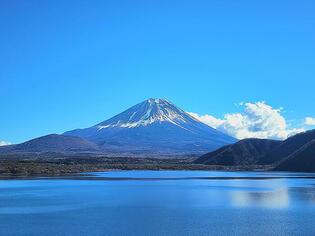
 Lake Motosu
 Kiyosato Terrace
 Moss Phlox and Mt. Fuji
 Yatsugatake Higashizawa Bridge
Surrounded by the mountains of the Southern Alps, including Japan's most sacred Mt. Fuji, Japan's second highest peak Kitadake, Yatsugatake, and Mt. Okuchichibu, the Fuji Five Lakes, Oshino Hakkai, Kiyosato, and other highland resorts are scattered at the foot of the mountains, allowing you to fully enjoy the magnificent nature. There are also plenty of spots to relax after your trip, such as Shimobe Onsen and Nishiyama Onsen. We also recommend tasting wine and fruits such as grapes and peaches, which are among the top produce in the country.
In spring, Yamanashi is a place where you can enjoy Mt. Fuji and seasonal flowers at the same time, with events such as the Fuji Shibazakura Festival, where 500,000 moss phlox plants spread out like a pink carpet, and Arakurayama Sengen Park, where you can enjoy the beautiful combination of Mt. Fuji, the five-story pagoda, and cherry blossoms.
Approximately 500,000 moss phlox plants of seven varieties bloom in full glory, a seasonal feature of spring in Yamanashi. The spectacular view of Mt. Fuji and the moss phlox is breathtakingly beautiful.

One of the most popular cherry blossom viewing spots in the country, the sight of two weeping cherry trees over 400 years old bursting with flowers is overwhelming.

A lush park surrounded by peach fields. The peach blossoms are in full bloom from late March to early April, and the park becomes bustling with visitors.

This is a scenic spot where you can see Mt. Fuji over the five-story pagoda. In spring, the view with cherry blossoms is also popular with foreign tourists, who say that they can "experience Japan."

A park where you can enjoy Mt. Fuji and seasonal flowers that spread out before your eyes. In spring, you can see Mt. Fuji performing alongside tulips, poppies, and nemophila.
In summer, Yamanashi is a place where you can enjoy the magnificent nature of Kiyosato, surrounded by nature, and the natural refrigerator, Fugaku Wind Cave. Among them, the sunflower fields of Akeno, where countless sunflowers bloom with Mt. Fuji in the background, are a spectacular sight that can only be seen in summer.

A park where Mt. Fuji and flowers of every season co-exist. In summer, you can enjoy the picturesque scenery of the spectacular sunflower fields and Mt. Fuji.

The sunflower fields paint the 360-degree panorama yellow with a spectacular view. The vibrant sunflowers blooming under the blue sky are a spectacular sight that will make you feel the summer.

A resort located at an altitude of 1,200m at the foot of the Yatsugatake Mountains. In the summer, you can enjoy watching fireflies, trekking, cherry picking, and more.

A horizontal cave located in the Aokigahara Jukai forest. The average temperature is 3 degrees, so it is cool even in summer, and you can see icicles and lava inside the cave.

Fuji-Q Highland is known for its impressive attractions. In the summer, you can cool down by taking part in water-spraying attractions.
Autumn in Yamanashi is a time when you can enjoy works of art created by nature. Among them, the spectacular scenery of Shosenkyo Gorge, the most beautiful valley in Japan, dyed in colorful autumn colors, and Lake Kawaguchiko, with its picturesque inverted Mt. Fuji and autumn leaves, are must-see spots.

This gorge is said to be the most beautiful in Japan. In the fall, when the leaves turn red, you can enjoy the magnificent scenery from Kakuenbo, Chotan Bridge, and the promenade.

Among the Fuji Five Lakes, this lake has the longest shoreline. In autumn, you can enjoy the spectacular combination of the inverted Mt. Fuji reflected in the lake and the autumn leaves.

This bridge was depicted in Hiroshige Utagawa's "Koyo Saruhashi no Zu" (The Saruhashi Bridge of Koyo). In particular, in the fall, when the maple trees change color, the scenery is a spectacular sight.

This lush valley is dotted with waterfalls and oddly shaped rocks. In autumn, the combination of the elegant, silk-like Toryu Falls and the autumn leaves is stunning.

A general term for the forested areas around Kofu city. In autumn, you can enjoy forest bathing and hiking in the forests enveloped in autumn leaves.
Yamanashi in winter is a place where you can enjoy mystical scenery. The view of Oshino Hakkai and Mt. Fuji is spectacular, but the spectacular view of Mt. Fuji and the sun, known as "Diamond Fuji," is overwhelmingly beautiful and will leave visitors speechless.

This mysterious phenomenon created by Mt. Fuji and the sun attracts many photographers from Japan and abroad to capture this magnificent sight on camera.

This is the general name for spring-fed ponds formed by the melting snow of Mt. Fuji. The beautiful harmony between Mt. Fuji and Oshino Hakkai is truly mystical.
An amusement park located at the foot of Mt. Fuji. In the winter, an ice rink opens, allowing you to enjoy skating while looking out at Mt. Fuji.

This hot spring resort is the largest in Yamanashi. In addition to casual foot baths and day trip hot springs, you can also relax in the hot springs at an inn or hotel.

A seasonal sight in winter in Yamanashi that colors the clear night sky. If the conditions are right, you can also see the "upside-down fireworks" that paint Lake Kawaguchiko in vibrant colors.

Kofu City
This shrine enshrines Takeda Shingen, a great general of the Sengoku period. It was founded in 1919 on the site of Tsutsugigasaki Yakata, the residence of the three generations of the Kai Takeda clan, and its grounds are designated as a national historic site. The grounds contain remains from that time, such as earthworks and moats, and you can feel the atmosphere of the Sengoku period. Furthermore, the grounds are surrounded by many trees that were donated from all over the prefecture at the time of the shrine's founding, and you can see the rich scenery of the four seasons, especially the cherry blossoms in spring and the maples in autumn. Takeda Shrine is also known as a powerful power spot for winning, and it is said that in addition to winning, the shrine is said to bring good fortune in overcoming life and oneself, and that wearing the fallen leaves of the three-leaf pine tree in the shrine grounds will bring you good fortune in money. The Treasure Hall to the right of the worship hall is also a must-see spot. Armor, armor, and swords handed down through the Takeda clan are on display, allowing you to learn about the history built by the Takeda clan with your own eyes.
Learn more
Fuefuki City
Sengen Shrine is an ancient shrine with a history of over 1,150 years since it was moved to its current location in 865. Yamamiya Shrine, the shrine where Sengen Shrine first began, is located about five minutes away by car. It was once the center of Kai Province and was the Ichinomiya of Kai Province, so it is affectionately known by locals as "Ichinomiya-san." It is also popular as a power spot for safe childbirth, fertility, and matchmaking, named after the enshrined deity "Konohanasakuyahime-no-mikoto" who appears in the Kojiki and Nihon Shoki myths. There is also a legend that if you eat the fruit of the pair of plums on the sacred tree to the north of the main shrine, you will be blessed with children, and many people visit the "Umeno-orieno Shinji" ceremony held every year on the second day of the boar in the fourth month of the lunar calendar, in order to get the plum fruit.
Learn more
Kofu City
Shosenkyo is a scenic spot surrounded by strangely shaped rocks and crystal clear streams that have been formed over a long period of time. It is known for its varied topography, including Sengataki Falls, one of Japan's 100 best waterfalls, which boasts a drop of 30m, the towering main peak Kakuenbo, and a naturally arched stone gate. Its splendor is so great that it has been praised as "Japan's most beautiful valley." Surrounded by abundant nature, you can encounter magnificent scenery throughout the year, such as cherry blossoms and Mitsuba azaleas in spring, deep green in summer, autumn leaves in autumn, and snow-covered scenery in winter. You can enjoy a stroll on the trekking course that takes about an hour and a half, or take a 5-minute aerial stroll on the ropeway, and the overwhelming natural beauty that has been designated as a special national scenic spot can be admired from various angles.
Learn more
Koshu City
Katsunuma Budo-no-Oka, built on a small hill overlooking the vineyards known as "One Thousand Towns at a Glance," is the symbol of Katsunuma, a famous grape and wine producing region. It is equipped with a cellar housing approximately 200 bottles of Koshu wine, an observation wine restaurant serving Katsunuma wine and a special menu, a tunnel wine cave, a wine shop, and more. Not only can you freely tour the cellar, but you can also sample wines for an additional fee to find the wine that suits you best. At the restaurant, which takes advantage of its location on high ground, you can fully enjoy the charm of Katsunuma wine while enjoying the finest wines, cuisine, and views. It also has a wide range of facilities, including hot springs, accommodation, an observation terrace, and a fountain plaza, making it an ideal base for sightseeing in Katsunuma.
Learn more
Minamitsuru District
Lake Shojiko is the smallest of the Fuji Five Lakes, with a circumference of just 6km. Located within the special zone of Fuji-Hakone-Izu National Park, it is one of the constituent assets of the World Heritage Site "Mt. Fuji - a place of worship and a source of artistic inspiration." The majestic Mt. Fuji and the complex shape of the lake created by lava flows create a unique landscape. It is known for the beautiful scenery that is said to be the most beautiful of the Fuji Five Lakes, such as "upside-down Fuji," where the majestic figure of Mt. Fuji is reflected on the lake's surface, "Child-holding Fuji," where Mt. Omuroyama in the foreground looks like a child being held by Mt. Fuji, and "Red Fuji," where the surface of Mt. Fuji turns red in the early morning from late summer to early autumn. There are also plenty of outdoor facilities on the lakeside, and you can enjoy lake activities such as boating, canoeing, and fishing.
Learn more
Minamitsuru District
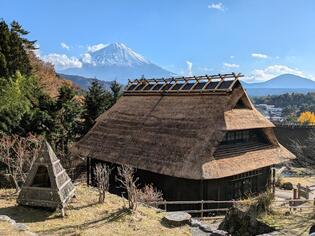
Oshino Hakkai is a collective name for eight ponds that are fed by underground water from Mt. Fuji, including Deguchi Pond, Okama Pond, Sokonashi Pond, Choshi Pond, Waku Pond, Nigori Pond, Kagami Pond, and Shobu Pond. The beautiful scenery of the thatched roof buildings, waterwheels, and Mt. Fuji that evoke the original Japanese landscape, and the abundant spring water, speak of the uniqueness of Oshino Hakkai, which has been selected as a national natural monument, one of the prefecture's New 100 Views of Mt. Fuji, and one of the 100 Best Waters in Japan. It is a pilgrimage site for Mt. Fuji worshippers, and is registered as a component asset of the World Cultural Heritage site "Mt. Fuji - a place of worship and a source of artistic inspiration." Each of the eight ponds enshrines one of the Eight Great Dragon Kings, and it is said that by visiting all eight ponds, you will be granted the blessings of the Eight Great Dragon Kings, such as success in love, prosperity in business, and protection from disasters. It takes about 60 minutes to go around the eight ponds, so let's go on a tour of Oshino Hakkai.
Learn more
Fuefuki City
Misaka Togenkyo Park is a 40,000 square meter park rich in nature, with a waterfront plaza, stream, lawn plaza, playground equipment, and more. It is a great spot to enjoy the changing seasons with all your senses, from peaches and cherry blossoms in spring to fireflies in early summer and autumn leaves. The park is also popular because it has a well-maintained promenade, where you can spend a relaxing time surrounded by negative ions, such as forest bathing and strolling. The park is filled with spaces where even small children can play safely, and in good weather, it is crowded with families playing on the athletic equipment and slides, or splashing around in the paddling pond. It is also famous as a viewing spot, and the view of the majestic Southern Alps and Kofu Basin from around the park's symbol, the Heisei Tower, is not to be missed.
Learn more
Koshu City
Daibosatsu Pass was once a place of mountain training for Shugendo monks. Before the Edo period, it was known as the most difficult section of the Ome Kaido, a back road of the Koshu Kaido that connected Musashi and Kai provinces. Daibosatsu-rei, the highest peak of Daibosatsu Pass, is recognized as one of the 100 famous mountains in Japan. There are three hiking courses available: the Daibosatsu Pass circular course, the Ishimaru Pass circular course, and the Marukawa Pass circular course. With bus access to Kamihigawa Pass at about 1,600m and mountain huts along the course, it is possible to do day trekking or overnight climbing, and it is popular as a mountain that can be enjoyed by a wide range of people from beginners to advanced climbers. The spectacular views of Mt. Fuji, the Southern Alps, and the Kofu Basin, as well as the seasonal colors of the red flowers in summer and the autumn leaves, never fail to fascinate climbers.
Learn more
Koshu City
Erinji Temple, home to the grave of Takeda Shingen, is the family temple of Takeda Shingen, renowned as the strongest warrior of the Sengoku period. The temple also houses numerous valuable cultural assets, including the helmet and armor actually used by Shingen and Sun Tzu's flag bearing the words "Fuurinkazan." The garden behind the main hall is a masterpiece by the temple's founder, the Zen monk Muso Kokushi, and has been designated a national scenic spot. Enjoy the garden's beautiful seasonal scenery, from cherry blossoms in spring, deep green in summer, autumn leaves, and a blanket of snow in winter. Those interested can participate in zazen and lectures from 6:00 to 7:00 on the first and third Saturdays of each month, zazen and cleaning on the last Saturday, zazen and tea gathering on other Saturdays, and free zazen experience on the second Sunday of each month from 3:00 to 4:00 PM.
Learn more
Yamanashi City
Nishizawa Valley, located in Chichibu-Tama-Kai National Park, is a valley formed by the erosion of huge granite rocks, and is a place of such beautiful nature that it is also called "Oku-Chichibu's last unexplored area." The beauty of the valley is created by a variety of waterfalls, including Nanatsugama Godan Falls, Ryujin Falls, and Mie Falls, which have been selected as "Japan's 100 Best Waterfalls." The park has a hiking trail that is about 10 km long and can be easily enjoyed in about 5.5 hours, so it is especially popular with hikers in early summer when the rhododendrons and fresh greenery are in bloom, and in autumn when the leaves change color. In addition to being a forest therapy base recognized for its healing effects, it is also registered as one of Japan's "100 Best Forests of Water Sources," "100 Best Waters of the Heisei Era," and "100 Best Forests for Forest Bathing," making it one of Japan's leading scenic spots recognized by professionals.
Learn moreMinamikoma District
Mount Minobu has been a popular place for Shugendo since ancient times and is counted among the "Three Great Sacred Mountains of Japanese Buddhism." As if symbolizing a sacred mountain, at the foot of the mountain sits the "Mt. Minobu Kuon-ji Temple," the head temple of the Nichiren sect, and at the summit sits the "Okunoin Shishinkaku," said to have been built in memory of the monk Nichiren. At Kuon-ji Temple, there is a magnificent five-story pagoda and the Sanmon Gate, one of the three greatest gates in Japan, while at Shishinkaku, there is the "Nichiren Shonin Oteuesugi Cedar," a 750-year-old tree worshipped as a power spot for longevity. The view from the summit, which is about a seven-minute ropeway ride or a two-hour hike away, is also exceptional. It is also known for being the place where you can see "Diamond Fuji," where the sun rising from the summit of Mount Fuji shines like a diamond ring, twice a year, in spring and autumn.
Learn more
Hokuto City
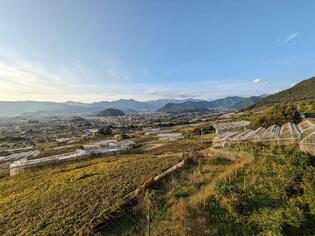
Located at the southern foot of the Yatsugatake mountain range, Kiyosato is famous for its plateau at an altitude of about 1,200m. It is a resort town surrounded by beautiful nature and clear air. It is also known for its high-quality ingredients grown in the great outdoors, such as highland vegetables such as cabbage and corn, branded pork, and local chickens. There are many cafes and restaurants whose signature dishes feature plenty of highland ingredients. Trekking and mountain climbing are also popular, and you can spend your time doing whatever you want, such as outdoor activities, gourmet food, and shopping, while looking out at 3,000m-class mountains such as Mt. Fuji and the Southern Alps. There are also facilities such as ranches, art museums, hot springs, and view spots to meet a wide range of needs, making it possible to enjoy a variety of trips, such as girls' trips, family trips, couples' trips, and trips with pets.
Learn more
Hokuto City
Yatsugatake, which straddles Yamanashi and Nagano prefectures, is a volcanic mountain chain. Northern Yatsugatake is home to forests, lakes, and the Tateshina Plateau, while Southern Yatsugatake includes the Kiyosato Plateau, and almost the entire area belongs to the Yatsugatake-Chushin Highlands Quasi-National Park. There are plenty of activities to experience in the vast natural scenery unique to Yatsugatake, such as mountain climbing, trekking, and kayaking. It has also been designated one of the "100 Famous Mountains of Japan," and there are ways to enjoy it in every season, such as the fresh greenery of spring, the blue skies of summer, the autumn leaves, and snow hiking in winter. At the foot of the mountain, where the atmosphere of a highland resort lies, there are many tourist spots such as restaurants, hot spring facilities, accommodation, theme parks, and outlets, and it is visited by many people throughout the year, from hikers to tourists.
Learn more
Hokuto City
Kobuchisawa, surrounded by the vast nature of the Yatsugatake Mountains, is a popular highland resort that is a summer resort and a skiing and snowboarding spot in winter. The best parts of Kobuchisawa are outdoor activities such as trekking and horseback riding, and touring natural spots such as the "Toryu Falls" where water flows gracefully like silk threads, and the "Kawamata River Valley", famous for its autumn leaves. The area is also characterized by a wide range of tourist attractions that meet the needs of a wide range of people, including roads built by Takeda Shingen, who once ruled Yamanashi Prefecture (Kai Province), in order to conquer Shinshu, historical spots such as a shrine with a Shinmei-zukuri main hall and one of Japan's most famous Noh stages, experience workshops offering more than 10 types of activities such as indigo dyeing, museums, hot springs, and roadside stations.
Learn more
Yamanashi City
Hottarakashi Onsen is a day-trip hot spring facility that does not offer extensive services, but is instead imbued with the idea that "we want our customers to enjoy themselves on their own." The original bath, "Kocchi no Yu," opened in 1999, and the new bath, "Acchi no Yu," opened in 2003, each have an open-air bath and an indoor bath. The view from the open-air bath on high ground is particularly noteworthy, and on clear days you can see Mount Fuji and the Kofu Basin from the bathtub with no obstructions. The attraction is that you can soak in the soft water of these two different hot springs and admire the ever-changing scenery of the sunrise, sunset, and night view. There is also a log cabin rest area and an outdoor observation terrace, and it is not uncommon for the facility to attract around 450,000 visitors a year.
Learn more
Hokuto City
Kiyosato Terrace is a resort facility located within Sun Meadows Kiyosato, which is crowded with people who come in the winter to enjoy winter sports such as skiing and snowboarding. Kiyosato Terrace, built on the peak of an altitude of 1,900m, is a very popular viewing spot, and in front of the terrace with no obstructions to the view, only Mt. Fuji, the Southern Alps, the Kofu Basin and the blue sky can be seen. The magnificent view full of a sense of freedom is captivating. The terrace also has a cafe that offers sweets, smoothies, Koshu wine and more. Some people sit on the sofas on the terrace with a great view, savor the carefully selected cafe menu and have lively conversations with their loved ones. Dogs are allowed on the terrace, so it is also recommended for dog lovers.
Learn more
Otsuki City
Saruhashi Bridge, which spans the Katsura River, is an important bridge on the Koshu Kaido road that connected Nihonbashi in Tokyo and Shimo-Suwa in Nagano Prefecture, and is a national scenic spot. The valley is so deep that bridge piers cannot be built, so the bridge features a unique structure that uses four layers of sprung beams that jut out from both banks instead. It is known as one of the "Three Unusual Bridges of Japan," and is depicted in "Koyo Saruhashi no Zu" by Utagawa Hiroshige, an ukiyo-e artist active in the Edo period, and "Shokoku Dochu Kin no Kusajiri" by Jippensha Ikku, an artist from the late Edo period. From early to mid-November, the ginkgo, maple, and other trees turn vibrant colors, making this a famous spot for viewing autumn leaves. The stunning contrast between the autumn-colored trees of the valley and the calm colors of the bridge delights the eyes of visitors.
Learn more
Hokuto City
Heidi's Village is a theme park based on the anime "Heidi, Girl of the Alps." It is also a beloved spot for flowers, and you will be greeted by seasonal flowers such as about 250,000 tulips in spring, about 7,000 roses, and lavender and sunflowers in summer. There are many spaces where you can experience the world of Heidi, such as the "Heidi's Theme Hall" which displays a diorama of the Alps where Heidi lived, the mountain hut in Alm, the bakery in Dörfli village, and the stone townscape. Don't miss the restaurant that is famous for "cheese fondue," a representative Swiss home dish, a restaurant overlooking the Southern Alps that resemble the Swiss Alps, and a popular cafe where "goat milk ice cream" served in a Heidi-patterned cup is popular.
Learn more
Koshu City
Katsunuma, famous as the "town of grapes and wine," boasts top-class grape and wine production. Founded in 1962 in Katsunuma, Manns Wine is a winery that strives to make high-quality wine with the motto "Making Japanese wine from Japanese grapes." The winery tour is popular because it allows you to learn more about the history and appeal of Manns Wine through a tour of the winery, including the underground cellar that is normally off-limits, and tasting three types of wine, including sparkling wine, dry red wine, and sweet white wine. There is also a shop where you can sample about 20 types of wine for a fee while sitting on benches or sofas, making it a great place to look for souvenirs from Katsunuma.
Learn more
Fujinomiya City
The Fuji Five Lakes have a history of approximately 9,000 years and are popular both in Japan and abroad as scenic spots overlooking Mt. Fuji.
Learn more
Fujinomiya City
Needless to say, Mt. Fuji is the highest mountain in Japan. It has been depicted in many poems and paintings since ancient times as a sacred mountain and a symbol of Japan's natural beauty. It still shows its majestic appearance today, with cherry blossoms in the spring and autumn leaves in the fall. Fuji Fifth Station, located at an altitude of 2,305m and the end point of the Fuji Subaru Line, is also the base camp for climbing Mt. Fuji, and is popular not only with climbers but also as a tourist spot.
Learn more2611 Kofuchumachi, Kofu City, Yamanashi Prefecture
Approximately 10 minutes by bus from Kofu Station, approximately 30 minutes by car from Kofu Interchange
9:00-16:00, Treasure Hall 9:30-16:00
The Treasure Hall is closed on Wednesdays
Admission fee to the Treasure Hall: 300 yen for high school students and above, 150 yen for elementary and junior high school students
*For details, please check the Takeda Shrine website
This shrine enshrines Takeda Shingen, a great general of the Sengoku period. It was founded in 1919 on the site of Tsutsugigasaki Yakata, the residence of the three generations of the Kai Takeda clan, and its grounds are designated as a national historic site. The grounds contain remains from that time, such as earthworks and moats, and you can feel the atmosphere of the Sengoku period. Furthermore, the grounds are surrounded by many trees that were donated from all over the prefecture at the time of the shrine's founding, and you can see the rich scenery of the four seasons, especially the cherry blossoms in spring and the maples in autumn. Takeda Shrine is also known as a powerful power spot for winning, and it is said that in addition to winning, the shrine is said to bring good fortune in overcoming life and oneself, and that wearing the fallen leaves of the three-leaf pine tree in the shrine grounds will bring you good fortune in money. The Treasure Hall to the right of the worship hall is also a must-see spot. Armor, armor, and swords handed down through the Takeda clan are on display, allowing you to learn about the history built by the Takeda clan with your own eyes.
Theme
Near this spot, there are other spots like this
Shosenkyo
Close
1684 Ichinomiya, Ichinomiya-cho, Fuefuki-shi, Yamanashi Prefecture
Approximately 10 minutes by taxi from JR Yamanashishi Station, approximately 5 minutes by car from Katsunuma IC
All day
None
Sengen Shrine is an ancient shrine with a history of over 1,150 years since it was moved to its current location in 865. Yamamiya Shrine, the shrine where Sengen Shrine first began, is located about five minutes away by car. It was once the center of Kai Province and was the Ichinomiya of Kai Province, so it is affectionately known by locals as "Ichinomiya-san." It is also popular as a power spot for safe childbirth, fertility, and matchmaking, named after the enshrined deity "Konohanasakuyahime-no-mikoto" who appears in the Kojiki and Nihon Shoki myths. There is also a legend that if you eat the fruit of the pair of plums on the sacred tree to the north of the main shrine, you will be blessed with children, and many people visit the "Umeno-orieno Shinji" ceremony held every year on the second day of the boar in the fourth month of the lunar calendar, in order to get the plum fruit.
Theme
Near this spot, there are other spots like this
Misaka Togenkyou Park
Close
Takanaricho, Kofu City, Yamanashi Prefecture
Approximately 35 minutes by car from Kofu Showa IC
All day
None
Shosenkyo is a scenic spot surrounded by strangely shaped rocks and crystal clear streams that have been formed over a long period of time. It is known for its varied topography, including Sengataki Falls, one of Japan's 100 best waterfalls, which boasts a drop of 30m, the towering main peak Kakuenbo, and a naturally arched stone gate. Its splendor is so great that it has been praised as "Japan's most beautiful valley." Surrounded by abundant nature, you can encounter magnificent scenery throughout the year, such as cherry blossoms and Mitsuba azaleas in spring, deep green in summer, autumn leaves in autumn, and snow-covered scenery in winter. You can enjoy a stroll on the trekking course that takes about an hour and a half, or take a 5-minute aerial stroll on the ropeway, and the overwhelming natural beauty that has been designated as a special national scenic spot can be admired from various angles.
Theme
Close
5093 Hishiyama, Katsunuma-cho, Koshu-shi, Yamanashi Prefecture
About 10 minutes by car from Katsunuma IC
9:00-17:30 (Wine Cave)
2,200 yen (wine barrel)
Katsunuma Budo-no-Oka, built on a small hill overlooking the vineyards known as "One Thousand Towns at a Glance," is the symbol of Katsunuma, a famous grape and wine producing region. It is equipped with a cellar housing approximately 200 bottles of Koshu wine, an observation wine restaurant serving Katsunuma wine and a special menu, a tunnel wine cave, a wine shop, and more. Not only can you freely tour the cellar, but you can also sample wines for an additional fee to find the wine that suits you best. At the restaurant, which takes advantage of its location on high ground, you can fully enjoy the charm of Katsunuma wine while enjoying the finest wines, cuisine, and views. It also has a wide range of facilities, including hot springs, accommodation, an observation terrace, and a fountain plaza, making it an ideal base for sightseeing in Katsunuma.
Theme
Near this spot, there are other spots like this
Katsunuma Winery Tour
Close
Shoji, Fujikawaguchiko Town, Minamitsuru District, Yamanashi Prefecture
About 30 minutes by car from Kawaguchiko IC
All day
None
Lake Shojiko is the smallest of the Fuji Five Lakes, with a circumference of just 6km. Located within the special zone of Fuji-Hakone-Izu National Park, it is one of the constituent assets of the World Heritage Site "Mt. Fuji - a place of worship and a source of artistic inspiration." The majestic Mt. Fuji and the complex shape of the lake created by lava flows create a unique landscape. It is known for the beautiful scenery that is said to be the most beautiful of the Fuji Five Lakes, such as "upside-down Fuji," where the majestic figure of Mt. Fuji is reflected on the lake's surface, "Child-holding Fuji," where Mt. Omuroyama in the foreground looks like a child being held by Mt. Fuji, and "Red Fuji," where the surface of Mt. Fuji turns red in the early morning from late summer to early autumn. There are also plenty of outdoor facilities on the lakeside, and you can enjoy lake activities such as boating, canoeing, and fishing.
Theme
Near this spot, there are other spots like this
Oshino Hakkai
Close
Shibokusa, Oshino Village, Minamitsuru District, Yamanashi Prefecture
Approximately 15 minutes by bus from Fujiyoshida Station, approximately 20 minutes by car from Kawaguchiko IC
None (Only Sokonashi Pond is open from 9:00 to 17:00)
When visiting the Sokonashi Pond: Adults 300 yen, children 150 yen, infants 100 yen
Oshino Hakkai is a collective name for eight ponds that are fed by underground water from Mt. Fuji, including Deguchi Pond, Okama Pond, Sokonashi Pond, Choshi Pond, Waku Pond, Nigori Pond, Kagami Pond, and Shobu Pond. The beautiful scenery of the thatched roof buildings, waterwheels, and Mt. Fuji that evoke the original Japanese landscape, and the abundant spring water, speak of the uniqueness of Oshino Hakkai, which has been selected as a national natural monument, one of the prefecture's New 100 Views of Mt. Fuji, and one of the 100 Best Waters in Japan. It is a pilgrimage site for Mt. Fuji worshippers, and is registered as a component asset of the World Cultural Heritage site "Mt. Fuji - a place of worship and a source of artistic inspiration." Each of the eight ponds enshrines one of the Eight Great Dragon Kings, and it is said that by visiting all eight ponds, you will be granted the blessings of the Eight Great Dragon Kings, such as success in love, prosperity in business, and protection from disasters. It takes about 60 minutes to go around the eight ponds, so let's go on a tour of Oshino Hakkai.
Theme
Near this spot, there are other spots like this
Mount Fuji
Close
650 Oyama, Misaka-cho, Fuefuki-shi, Yamanashi Prefecture
Approximately 15 minutes by bus from Isawa Onsen Station, approximately 10 minutes by car from Ichinomiya Misaka IC, approximately 10 minutes by car from Fuefuki Yatsushiro IC
April to September: 8:30 to 20:00, October to March: 8:30 to 18:00
Misaka Togenkyo Park is a 40,000 square meter park rich in nature, with a waterfront plaza, stream, lawn plaza, playground equipment, and more. It is a great spot to enjoy the changing seasons with all your senses, from peaches and cherry blossoms in spring to fireflies in early summer and autumn leaves. The park is also popular because it has a well-maintained promenade, where you can spend a relaxing time surrounded by negative ions, such as forest bathing and strolling. The park is filled with spaces where even small children can play safely, and in good weather, it is crowded with families playing on the athletic equipment and slides, or splashing around in the paddling pond. It is also famous as a viewing spot, and the view of the majestic Southern Alps and Kofu Basin from around the park's symbol, the Heisei Tower, is not to be missed.
Theme
Near this spot, there are other spots like this
Sengen Shrine
Close
Koshu City, Yamanashi Prefecture
About 40 minutes by car from Katsunuma IC
All day
None
Daibosatsu Pass was once a place of mountain training for Shugendo monks. Before the Edo period, it was known as the most difficult section of the Ome Kaido, a back road of the Koshu Kaido that connected Musashi and Kai provinces. Daibosatsu-rei, the highest peak of Daibosatsu Pass, is recognized as one of the 100 famous mountains in Japan. There are three hiking courses available: the Daibosatsu Pass circular course, the Ishimaru Pass circular course, and the Marukawa Pass circular course. With bus access to Kamihigawa Pass at about 1,600m and mountain huts along the course, it is possible to do day trekking or overnight climbing, and it is popular as a mountain that can be enjoyed by a wide range of people from beginners to advanced climbers. The spectacular views of Mt. Fuji, the Southern Alps, and the Kofu Basin, as well as the seasonal colors of the red flowers in summer and the autumn leaves, never fail to fascinate climbers.
Theme
Close
2280 Enzanoyashiki, Koshu City, Yamanashi Prefecture
Approximately 20 minutes by car from JR Enzan Station
8:30〜16:30
Adults: 500 yen, elementary, middle and high school students: 300 yen
Erinji Temple, home to the grave of Takeda Shingen, is the family temple of Takeda Shingen, renowned as the strongest warrior of the Sengoku period. The temple also houses numerous valuable cultural assets, including the helmet and armor actually used by Shingen and Sun Tzu's flag bearing the words "Fuurinkazan." The garden behind the main hall is a masterpiece by the temple's founder, the Zen monk Muso Kokushi, and has been designated a national scenic spot. Enjoy the garden's beautiful seasonal scenery, from cherry blossoms in spring, deep green in summer, autumn leaves, and a blanket of snow in winter. Those interested can participate in zazen and lectures from 6:00 to 7:00 on the first and third Saturdays of each month, zazen and cleaning on the last Saturday, zazen and tea gathering on other Saturdays, and free zazen experience on the second Sunday of each month from 3:00 to 4:00 PM.
Theme
Close
Yamanashi Prefecture Yamanashi City Mitomi Kawaura
Approximately 60 minutes by bus from JR Yamanashishi Station, approximately 60 minutes by car from Katsunuma IC
All day
None
Nishizawa Valley, located in Chichibu-Tama-Kai National Park, is a valley formed by the erosion of huge granite rocks, and is a place of such beautiful nature that it is also called "Oku-Chichibu's last unexplored area." The beauty of the valley is created by a variety of waterfalls, including Nanatsugama Godan Falls, Ryujin Falls, and Mie Falls, which have been selected as "Japan's 100 Best Waterfalls." The park has a hiking trail that is about 10 km long and can be easily enjoyed in about 5.5 hours, so it is especially popular with hikers in early summer when the rhododendrons and fresh greenery are in bloom, and in autumn when the leaves change color. In addition to being a forest therapy base recognized for its healing effects, it is also registered as one of Japan's "100 Best Forests of Water Sources," "100 Best Waters of the Heisei Era," and "100 Best Forests for Forest Bathing," making it one of Japan's leading scenic spots recognized by professionals.
Theme
Close
3567 Minobu, Minobu-cho, Minamikoma-gun, Yamanashi Prefecture
About 20 minutes by car from Shimobe Onsen Hayakawa IC
Reception hours: 5:00-16:20 all year round
Admission fee: Adults (high school students and above) 500 yen, elementary and junior high school students 200 yen
Mount Minobu has been a popular place for Shugendo since ancient times and is counted among the "Three Great Sacred Mountains of Japanese Buddhism." As if symbolizing a sacred mountain, at the foot of the mountain sits the "Mt. Minobu Kuon-ji Temple," the head temple of the Nichiren sect, and at the summit sits the "Okunoin Shishinkaku," said to have been built in memory of the monk Nichiren. At Kuon-ji Temple, there is a magnificent five-story pagoda and the Sanmon Gate, one of the three greatest gates in Japan, while at Shishinkaku, there is the "Nichiren Shonin Oteuesugi Cedar," a 750-year-old tree worshipped as a power spot for longevity. The view from the summit, which is about a seven-minute ropeway ride or a two-hour hike away, is also exceptional. It is also known for being the place where you can see "Diamond Fuji," where the sun rising from the summit of Mount Fuji shines like a diamond ring, twice a year, in spring and autumn.
Theme
Close
Kiyosato, Takane-cho, Hokuto City, Yamanashi Prefecture
About 15 minutes by bus from Kiyosato Station
All day
None
Located at the southern foot of the Yatsugatake mountain range, Kiyosato is famous for its plateau at an altitude of about 1,200m. It is a resort town surrounded by beautiful nature and clear air. It is also known for its high-quality ingredients grown in the great outdoors, such as highland vegetables such as cabbage and corn, branded pork, and local chickens. There are many cafes and restaurants whose signature dishes feature plenty of highland ingredients. Trekking and mountain climbing are also popular, and you can spend your time doing whatever you want, such as outdoor activities, gourmet food, and shopping, while looking out at 3,000m-class mountains such as Mt. Fuji and the Southern Alps. There are also facilities such as ranches, art museums, hot springs, and view spots to meet a wide range of needs, making it possible to enjoy a variety of trips, such as girls' trips, family trips, couples' trips, and trips with pets.
Theme
Near this spot, there are other spots like this
Kiyosato Terrace
Kobuchizawa
Close
3545-4559 Kiyosato, Takane-cho, Hokuto-shi, Yamanashi Prefecture (Yatsugatake Tourism Area)
Approximately 25 minutes by car from Sudama IC
None
Yatsugatake, which straddles Yamanashi and Nagano prefectures, is a volcanic mountain chain. Northern Yatsugatake is home to forests, lakes, and the Tateshina Plateau, while Southern Yatsugatake includes the Kiyosato Plateau, and almost the entire area belongs to the Yatsugatake-Chushin Highlands Quasi-National Park. There are plenty of activities to experience in the vast natural scenery unique to Yatsugatake, such as mountain climbing, trekking, and kayaking. It has also been designated one of the "100 Famous Mountains of Japan," and there are ways to enjoy it in every season, such as the fresh greenery of spring, the blue skies of summer, the autumn leaves, and snow hiking in winter. At the foot of the mountain, where the atmosphere of a highland resort lies, there are many tourist spots such as restaurants, hot spring facilities, accommodation, theme parks, and outlets, and it is visited by many people throughout the year, from hikers to tourists.
Theme
Near this spot, there are other spots like this
Kiyosato
Kobuchizawa
Close
Kobuchizawa Town, Hokuto City, Yamanashi Prefecture
About 5 minutes by car from Kobuchisawa IC
All day
None
Kobuchisawa, surrounded by the vast nature of the Yatsugatake Mountains, is a popular highland resort that is a summer resort and a skiing and snowboarding spot in winter. The best parts of Kobuchisawa are outdoor activities such as trekking and horseback riding, and touring natural spots such as the "Toryu Falls" where water flows gracefully like silk threads, and the "Kawamata River Valley", famous for its autumn leaves. The area is also characterized by a wide range of tourist attractions that meet the needs of a wide range of people, including roads built by Takeda Shingen, who once ruled Yamanashi Prefecture (Kai Province), in order to conquer Shinshu, historical spots such as a shrine with a Shinmei-zukuri main hall and one of Japan's most famous Noh stages, experience workshops offering more than 10 types of activities such as indigo dyeing, museums, hot springs, and roadside stations.
Theme
Near this spot, there are other spots like this
Yatsugatake
Kiyosato
Close
1669-18 Yatsubo, Yamanashi City, Yamanashi Prefecture
About 10 minutes by taxi from Yamanashishi Station
1 hour before sunrise - 22:00
Adults: 900 yen, Children (ages 0 to 6th grade): 400 yen
Hottarakashi Onsen is a day-trip hot spring facility that does not offer extensive services, but is instead imbued with the idea that "we want our customers to enjoy themselves on their own." The original bath, "Kocchi no Yu," opened in 1999, and the new bath, "Acchi no Yu," opened in 2003, each have an open-air bath and an indoor bath. The view from the open-air bath on high ground is particularly noteworthy, and on clear days you can see Mount Fuji and the Kofu Basin from the bathtub with no obstructions. The attraction is that you can soak in the soft water of these two different hot springs and admire the ever-changing scenery of the sunrise, sunset, and night view. There is also a log cabin rest area and an outdoor observation terrace, and it is not uncommon for the facility to attract around 450,000 visitors a year.
Theme
Close
8240-1 Nishiide, Oizumi-cho, Hokuto-shi, Yamanashi Prefecture
Approximately 20 minutes by car from Nagasaka IC
9:30-16:30 (varies depending on lift operating hours and period)
Golden Week (April 27th to May 6th): Adults 2,000 yen, Children 1,400 yen, Infants 1,200 yen. May 25th and after: Adults 2,600 yen, Children 2,000 yen, Infants 1,800 yen.
https://www.sunmeadows.co.jp/green/parkguide/kiyosato_teracce/
Kiyosato Terrace is a resort facility located within Sun Meadows Kiyosato, which is crowded with people who come in the winter to enjoy winter sports such as skiing and snowboarding. Kiyosato Terrace, built on the peak of an altitude of 1,900m, is a very popular viewing spot, and in front of the terrace with no obstructions to the view, only Mt. Fuji, the Southern Alps, the Kofu Basin and the blue sky can be seen. The magnificent view full of a sense of freedom is captivating. The terrace also has a cafe that offers sweets, smoothies, Koshu wine and more. Some people sit on the sofas on the terrace with a great view, savor the carefully selected cafe menu and have lively conversations with their loved ones. Dogs are allowed on the terrace, so it is also recommended for dog lovers.
Theme
Close
Saruhashi-machi, Sarumachi, Otsuki City, Yamanashi Prefecture
Approximately 20 minutes walk from JR Saruhashi Station
All day
None
Saruhashi Bridge, which spans the Katsura River, is an important bridge on the Koshu Kaido road that connected Nihonbashi in Tokyo and Shimo-Suwa in Nagano Prefecture, and is a national scenic spot. The valley is so deep that bridge piers cannot be built, so the bridge features a unique structure that uses four layers of sprung beams that jut out from both banks instead. It is known as one of the "Three Unusual Bridges of Japan," and is depicted in "Koyo Saruhashi no Zu" by Utagawa Hiroshige, an ukiyo-e artist active in the Edo period, and "Shokoku Dochu Kin no Kusajiri" by Jippensha Ikku, an artist from the late Edo period. From early to mid-November, the ginkgo, maple, and other trees turn vibrant colors, making this a famous spot for viewing autumn leaves. The stunning contrast between the autumn-colored trees of the valley and the calm colors of the bridge delights the eyes of visitors.
Theme
Close
2471 Asao, Akeno-cho, Hokuto City, Yamanashi Prefecture
About 10 minutes by car from Sudama IC
9:00-21:00 (varies depending on the season)
April to October: 710 yen for high school students and above, 360 yen for elementary and junior high school students; March 11th to 31st, November to December: 260 yen for high school students and above, 130 yen for elementary and junior high school students; January 2nd to March 10th: Free
Heidi's Village is a theme park based on the anime "Heidi, Girl of the Alps." It is also a beloved spot for flowers, and you will be greeted by seasonal flowers such as about 250,000 tulips in spring, about 7,000 roses, and lavender and sunflowers in summer. There are many spaces where you can experience the world of Heidi, such as the "Heidi's Theme Hall" which displays a diorama of the Alps where Heidi lived, the mountain hut in Alm, the bakery in Dörfli village, and the stone townscape. Don't miss the restaurant that is famous for "cheese fondue," a representative Swiss home dish, a restaurant overlooking the Southern Alps that resemble the Swiss Alps, and a popular cafe where "goat milk ice cream" served in a Heidi-patterned cup is popular.
Theme
Close
400 Yama, Katsunuma-cho, Koshu City, Yamanashi Prefecture
About 5 minutes by taxi from Enzan Station
9:00〜16:30
3 types of wine: 1,500 yen
Katsunuma, famous as the "town of grapes and wine," boasts top-class grape and wine production. Founded in 1962 in Katsunuma, Manns Wine is a winery that strives to make high-quality wine with the motto "Making Japanese wine from Japanese grapes." The winery tour is popular because it allows you to learn more about the history and appeal of Manns Wine through a tour of the winery, including the underground cellar that is normally off-limits, and tasting three types of wine, including sparkling wine, dry red wine, and sweet white wine. There is also a shop where you can sample about 20 types of wine for a fee while sitting on benches or sofas, making it a great place to look for souvenirs from Katsunuma.
Theme
Near this spot, there are other spots like this
Katsunuma Grape Hill
Close
The Fuji Five Lakes have a history of approximately 9,000 years and are popular both in Japan and abroad as scenic spots overlooking Mt. Fuji.
Theme
Near this spot, there are other spots like this
�
�
Close
Needless to say, Mt. Fuji is the highest mountain in Japan. It has been depicted in many poems and paintings since ancient times as a sacred mountain and a symbol of Japan's natural beauty. It still shows its majestic appearance today, with cherry blossoms in the spring and autumn leaves in the fall. Fuji Fifth Station, located at an altitude of 2,305m and the end point of the Fuji Subaru Line, is also the base camp for climbing Mt. Fuji, and is popular not only with climbers but also as a tourist spot.
Theme
Near this spot, there are other spots like this
Oshino Hakkai
Close

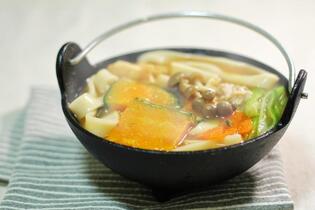
Hoto is a typical local dish from Yamanashi, made by simmering pumpkin, potatoes, seasonal vegetables and meat with flat noodles in miso.

Chicken offal stew, made by simmering chicken innards in a sweet soy sauce, is a local dish from Yamanashi. Its rich flavor goes well with locally produced red wine.

Korogaki, made by drying sour persimmons, is a specialty of Koshu City. It gets its name from the fact that the persimmons are repeatedly turned to make them more delicious.

Yoshida udon, a local dish from Fujiyoshida City, is characterized by its surprisingly firm texture and is served with a soup flavored with miso and soy sauce.

Kai Province was known as a horse-producing region, and as horses were readily available, horse meat dishes became popular, with horse sashimi remaining a local specialty to this day.

Hunting is popular in the upper reaches of the Fuefuki River, and after the war the breeding of inobuta (pork) was encouraged. Inobuta hotpot is served with mushrooms and vegetables.

There are various theories as to why boiled abalone became a specialty of landlocked Yamanashi Prefecture, but it is a popular specialty due to its soft texture and mild flavor.

Yamanashi wine is a representative example of delicate, refreshing, dry white wine made from the indigenous Japanese grape "Koshu." It goes perfectly with Japanese food.
| Month | Average Temperature | Climate and clothing | Seasonal Events |
|---|---|---|---|
| January | 3.3℃ | January and February are the months of winter, with many snowy days. You will need a thick jacket, gloves, and a scarf. In March, the cold eases, but there are still days when the temperature drops below freezing and there is snow. Be sure to bring a thick jacket such as a coat, gloves, and a scarf. | Sasaichi Sake Brewery's New Year's Day Free Sake, Ichinose Takahashi's Harukoma, Lake Kawaguchi Winter Fireworks |
| February | 5.7℃ | Lake Kawaguchi Winter Fireworks | |
| March | 11.9℃ | Shangri-La Spring Festival, Fuji Lake Kawaguchi Cherry Blossom Festival |
| Month | Average Temperature | Climate and clothing | Seasonal Events |
|---|---|---|---|
| April | 15.6℃ | In April, the temperature difference between days and times is large, so you should wear layers such as cardigans, sweaters, and jackets. The temperature difference between days and times is large in May as well, so you should wear long sleeves and a thin jacket. In June, where there are days when the temperature exceeds 30 degrees, you can wear short sleeves. | Shingen Festival, Fuji Shibazakura Festival, Tenzushi-mai Dance |
| May | 18.9℃ | Fuji Moss Phlox Festival | |
| June | 22.8℃ | Kawaguchiko Herb Festival |
| Month | Average Temperature | Climate and clothing | Seasonal Events |
|---|---|---|---|
| July | 27.8℃ | From July, there will be days when temperatures exceed 35 degrees, and the hot weather will continue until September. Dress lightly and take measures against heatstroke and UV rays. It can get chilly in the mornings, evenings, and at the end of September, so prepare a light jacket. | Hirano Tenmangu Shrine Festival, Fuefuki City Summer Festival, Wakamiya Hachiman Shrine Annual Festival |
| August | 28.2℃ | Lake Yamanaka Hoko Festival, Bonfire Festival, Isawa Onsen Fireworks Festival | |
| September | 26.7℃ | Furusato Jidai Festival, Yamanaka Myojin Shrine Annual Festival, Safe Birth Festival, Daini Academic Festival |
| Month | Average Temperature | Climate and clothing | Seasonal Events |
|---|---|---|---|
| October | 17.2℃ | In October, wear long sleeves and a thin jacket. In November, it may snow, so wear a jacket, sweater, and coat. In December, there are many days when the minimum temperature drops below freezing, so in addition to your coat, you should also bring gloves and a scarf. | Hachiman Daibosatsu Great Prayer Festival, Minobusan Goeshiki, Sawanobori Rokkakudo Kiriko Festival |
| November | 12℃ | Sunset Beach Autumn Leaves Festival, Fuji Lake kawaguchi Autumn Leaves Festival, Kofu Love Festival | |
| December | 6.3℃ |